There are some desserts that instantly feel like home, and peach cobbler is one of them. Warm peaches bubbling beneath a buttery, golden crust with a scoop of vanilla ice cream melting over the top… it doesn’t get much better.
This recipe is incredibly simple to make, but it tastes like it took all afternoon. Whether you’re using fresh peaches from the farmer’s market, frozen peaches from the freezer, or canned peaches from the pantry, it turns out delicious every single time. It’s one of those desserts that’s perfect for family dinners, summer cookouts, or holiday gatherings.
Ingredients
For the Peach Filling
4 cups peaches (fresh, frozen, or canned—drained if canned)
¾ cup granulated sugar
1 tablespoon lemon juice
1 teaspoon vanilla extract
1 teaspoon ground cinnamon
1 tablespoon cornstarch (optional, for a thicker filling)
For the Batter
½ cup (1 stick) butter
1 cup all-purpose flour
1 cup granulated sugar
1 cup milk
1½ teaspoons baking powder
¼ teaspoon salt
Instructions
Preheat your oven to 350°F.
Place the butter in a 9×13-inch baking dish and let it melt while the oven preheats.
In a large bowl, combine the peaches, sugar, lemon juice, vanilla, cinnamon, and cornstarch if using. Stir until well mixed.
In another bowl, whisk together the flour, sugar, milk, baking powder, and salt until smooth.
Carefully pour the batter over the melted butter. Do not stir.
Spoon the peach mixture evenly over the batter. Again, do not stir. As it bakes, the batter will rise around the peaches and create a beautiful crust.
Bake for 40–45 minutes, or until the top is golden brown and the filling is bubbling around the edges.
Allow the cobbler to cool for about 10 minutes before serving.
Tips for the Best Peach Cobbler
Fresh peaches provide the best flavor during peach season, but frozen peaches work beautifully year-round.
If using canned peaches, be sure to drain them well so the cobbler doesn’t become watery.
Sprinkle a little brown sugar over the top before baking for an extra caramelized crust.
Fresh raspberries make a delicious addition if you’re looking for a little tartness.
Serve warm with a generous scoop of vanilla ice cream or fresh whipped cream.
Frequently Asked Questions
Can I make this ahead of time? Yes! Bake it earlier in the day and simply warm individual servings before serving.
Can I freeze peach cobbler? Absolutely. Allow it to cool completely, cover tightly, and freeze for up to three months. Thaw overnight in the refrigerator and reheat in the oven until warmed through.
Can I use other fruit? Definitely! This recipe is also wonderful with blackberries, blueberries, apples, cherries, or a combination of your favorite fruits.
Some mornings just call for something simple that everyone will actually eat. This breakfast casserole has become one of our favorites because it’s hearty, filling, and easy enough to throw together without making a huge mess in the kitchen.
I love that it can be prepped ahead of time if needed, and it’s also a great way to use ingredients I usually already have in the freezer. Whether we’re feeding family for the holidays or just making a lazy Saturday breakfast, this recipe never lasts long.
Ingredients
1 pound breakfast sausage
1–2 cups frozen shredded hash browns
1–2 cups frozen peppers
6–8 eggs
½ cup milk
1–2 cups shredded Colby Jack and Cheddar cheese
1 teaspoon garlic powder
1–2 teaspoons minced garlic (optional)
Salt and pepper to taste
Instructions
Preheat your oven to 375°F.
Brown the breakfast sausage in a skillet and drain any excess grease.
Add the frozen peppers and hash browns to the skillet and cook until softened.
Stir in the garlic powder and minced garlic if using.
In a separate bowl, whisk together the eggs, milk, salt, and pepper.
Grease a baking dish and spread the sausage mixture evenly across the bottom.
Sprinkle cheese throughout the casserole and on top.
Pour the egg mixture evenly over everything.
Bake for 30–40 minutes, or until the eggs are completely set.
Let the casserole rest for about 5–10 minutes before slicing.
Tips
Add cooked bacon or diced ham for even more flavor.
Pepper Jack cheese gives it a little kick.
Leftovers reheat really well the next morning.
Serve with fresh fruit and biscuits for a complete breakfast.
There are some recipes that quietly become part of your regular routine, and this is one of ours.
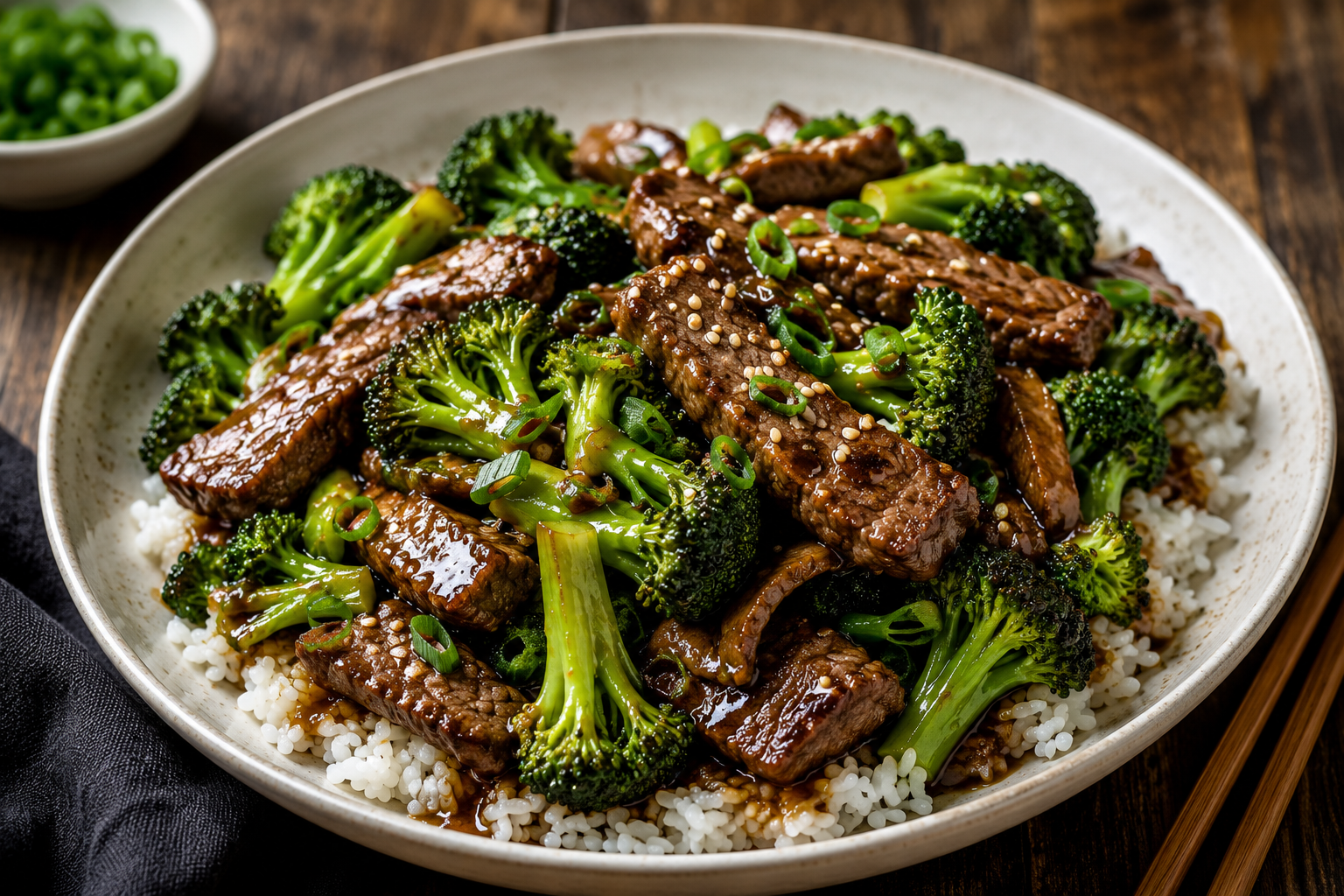
It has everything I love in a weeknight dinner. It’s quick enough for a busy evening, tastes better than takeout, and doesn’t leave the kitchen looking like a disaster afterward. The beef stays tender, the broccoli still has a little bite, and the sauce is rich enough that everyone ends up spooning a little extra over the rice.
If you’re looking for one of those meals that earns a permanent place in your dinner rotation, this one is worth keeping.
Beef & Broccoli Stir-Fry
Ingredients
For the Beef
1–1½ pounds flank steak, thinly sliced against the grain
Quick Marinade
1 tablespoon soy sauce
1 teaspoon cornstarch
1 teaspoon cooking oil
For the Stir Fry
2 large crowns broccoli, cut into florets
3 cloves garlic, minced
1 tablespoon fresh ginger, minced
3 green onions, sliced (optional)
2 tablespoons soy sauce
2 tablespoons oyster sauce
1 tablespoon brown sugar
1 cup beef broth
1 tablespoon cornstarch
1 teaspoon sesame oil
2–3 tablespoons cooking oil
Serve over jasmine or white rice.
Instructions
Toss the sliced beef with the marinade ingredients and let it rest for about 15 minutes.
Cook the rice according to package directions.
In a bowl, whisk together the broth, soy sauce, oyster sauce, brown sugar, cornstarch, and sesame oil.
Heat one tablespoon of oil in a hot skillet or wok.
Sear the beef for 1–2 minutes per side, then remove it from the pan.
Add another tablespoon of oil if needed and stir-fry the broccoli for 2–3 minutes.
Add the garlic and ginger and cook for another 30 seconds.
Return the beef to the skillet.
Pour in the sauce and stir until everything is coated and the sauce thickens.
Garnish with green onions and serve over hot rice.
A Few Notes
Slice the steak against the grain for the most tender bites.
Today, I wake up with great pride in my husband and children.
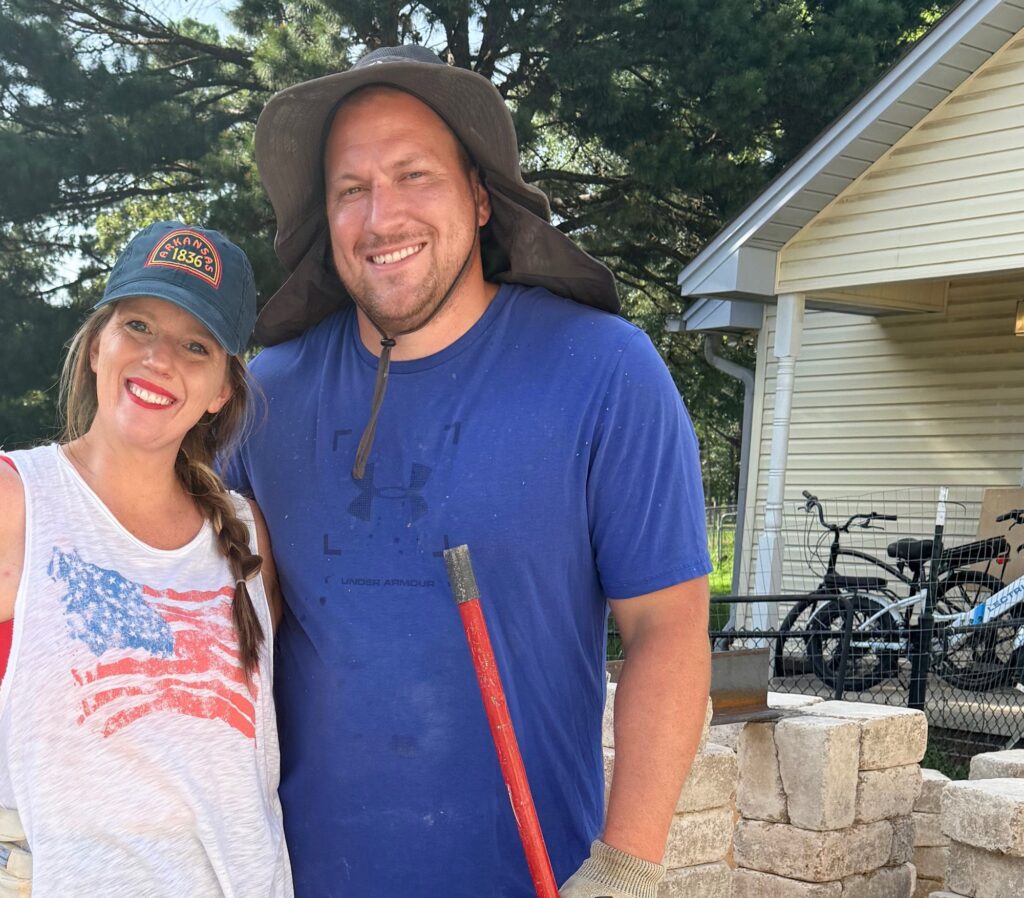
Robert and I spent one of our first dates climbing up Pinnacle Mountain with Subway in our backpacks. I had no idea then that he would be my husband, and those hikes we continued to take together were a foreshadowing of the future we were building in tandem.
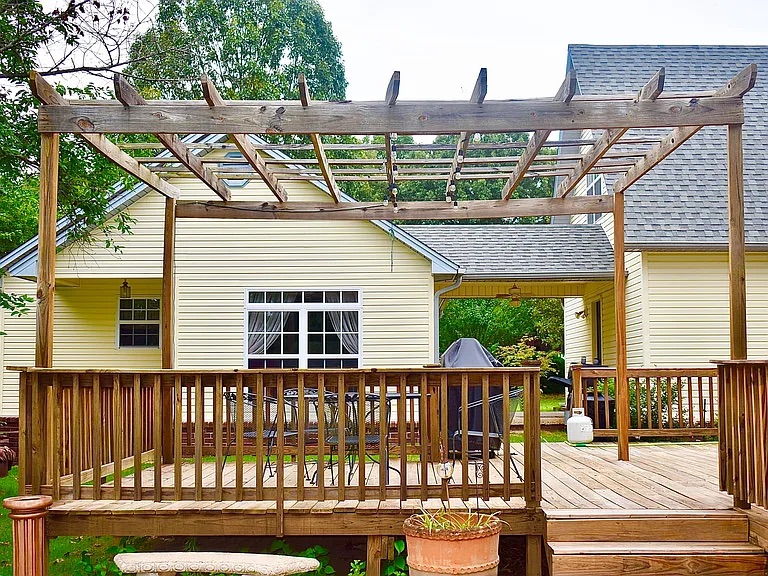
Recently, we decided to gut our entire backyard deck and pool area.
Before picture
It started because Robert said we needed a new pool liner. And if we were going to replace the liner, we needed to replace the skimmer. And if we were going to replace the skimmer, he would like to add another one to make maintaining the pool easier.
That led to tearing out the gravel around the pool and putting in concrete.
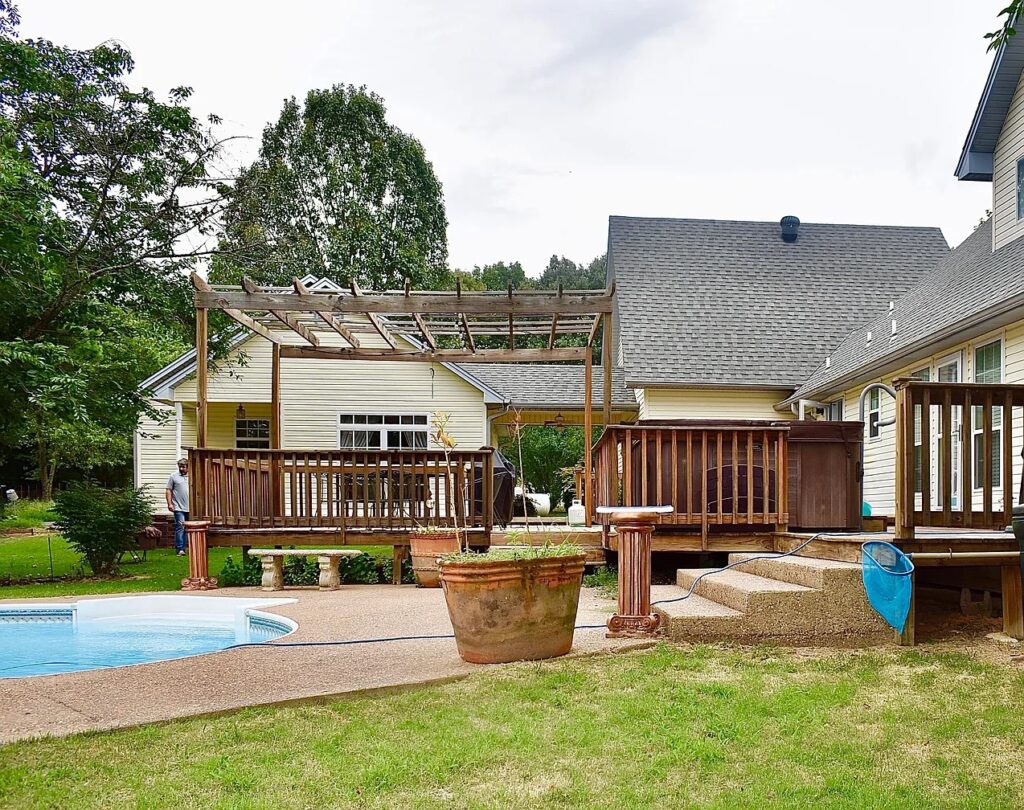
The pool before the make over.
Then that idea expanded to the wooden deck.
Eventually, we had a whole new slab of concrete designed.
We got numerous quotes for an outdoor kitchen, but they were ridiculously high. Then we finally got one reasonable quote, and the contractor sent us a picture of what we would get for that price.
It was so small that Robert and I laughed.
We clearly could not afford what we were looking for.
Eventually, Robert and I ran across a company called Cornerstone that sold backyard kitchen kits.
I was immediately thinking, This is going to be so easy. We can do this.
Robert was immediately thinking, This is crazy. I don’t know if we should do this.
We kind of have this thing in our marriage.
When I first met Robert, as smart and skilled as he is, he wouldn’t even do little things for me, like build a recipe box or make small wooden projects. It wasn’t because he didn’t love me or because he didn’t feel like doing them.
It was because he simply lacked the confidence to think he could do them.
And do them well.
But I was looking at these plans thinking, This looks just like sewing plans. We just stack these little bricks like they tell us.
We can do this.
Turns out, we were both wrong.
It was not easy.
But we could do it.
The first surprise came when the owner of the company called and told us that the first of our two shipments was coming.
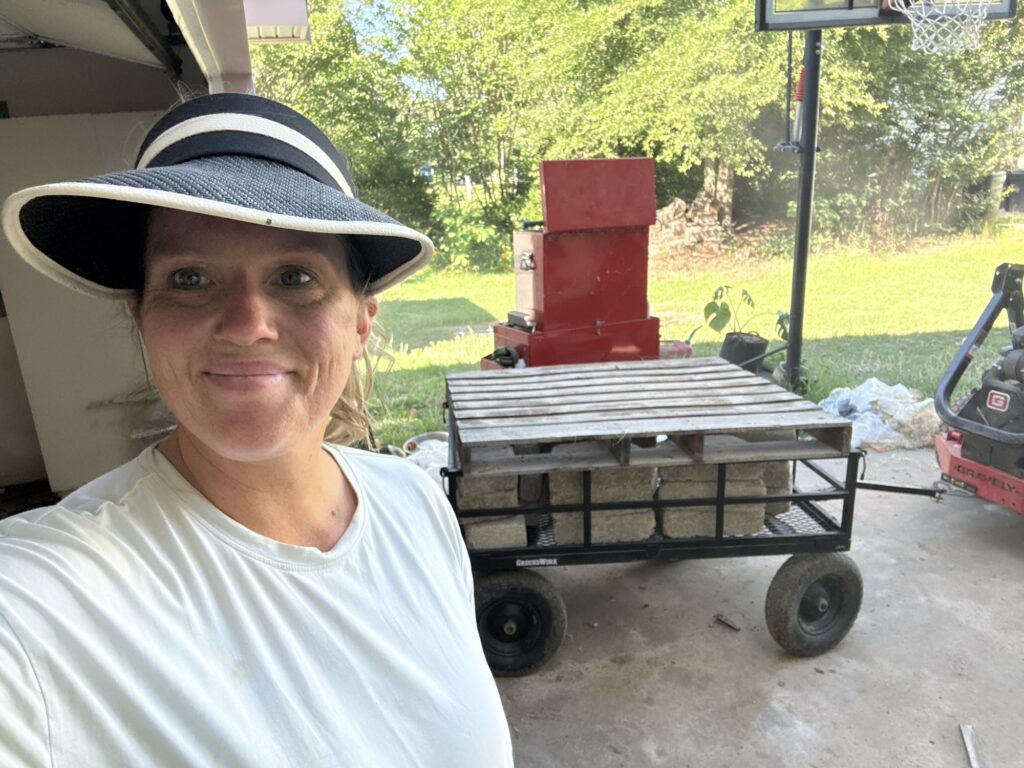
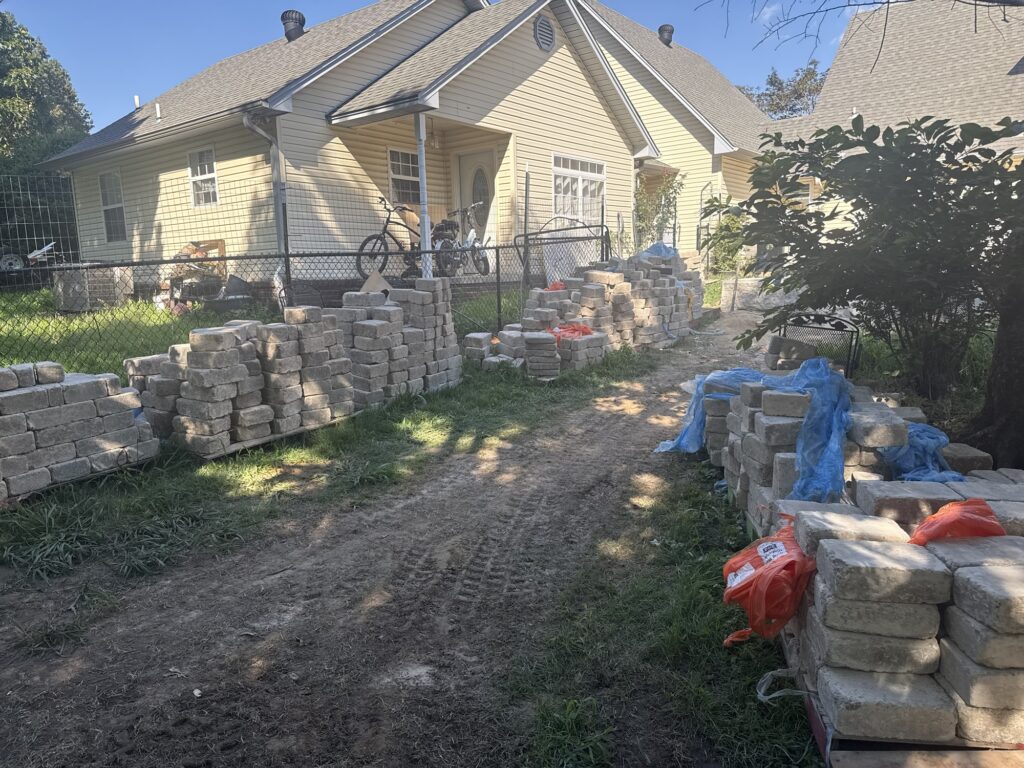
Nine pallets of block.
I think Robert’s anxiety immediately spiked because he was thinking, How am I going to fit all of those in the garage?
I am pretty practical, and I also look for ways to cut corners, so I was immediately like, “These bricks are going toward an outdoor kitchen. They can literally live outdoors.”
Problem solved.
Except then the delivery people offered to use a forklift to take the pallets up to the garage. It took everything Robert—who is very strong—the delivery man, and our son had just to help get the forklift up our driveway.
And that was when we began to understand exactly what we had gotten ourselves into.
Those blocks now had to make it completely around our property and into the backyard, where the construction was going to take place. They also needed to get close enough to the concrete pad that building with them wouldn’t be entirely impossible.
We wanted the whole kitchen finished by the Fourth of July, but we had a problem: our concrete needed time to cure.
So on day 14, I suggested that we start with one row.
Then another layer.
Then another.
Once we finished that, we moved on to the next thing.
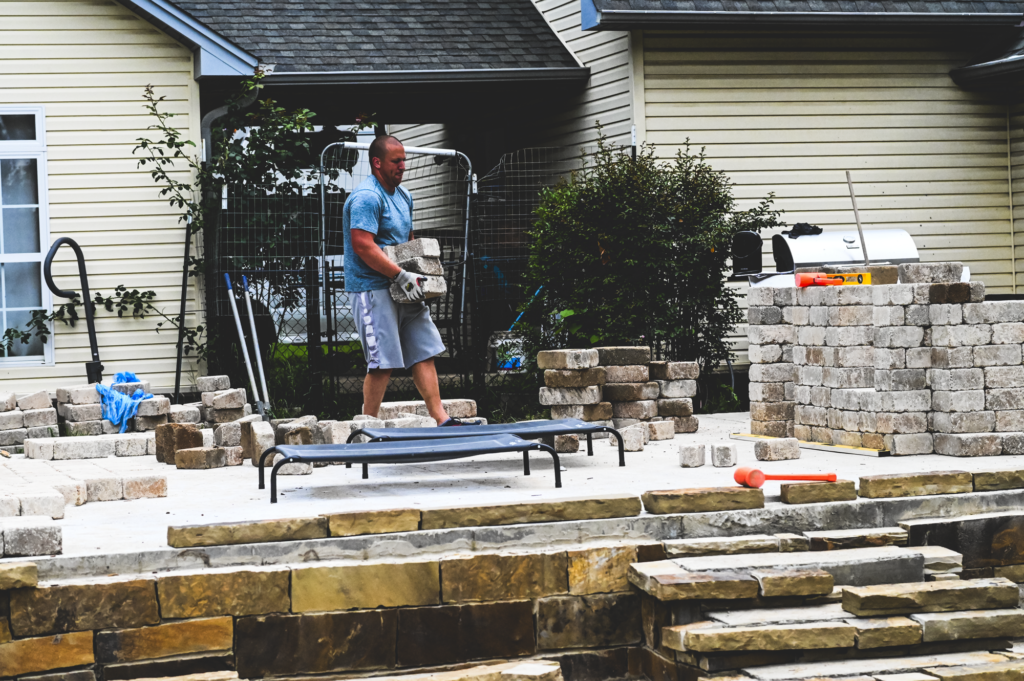
Robert did a lot of the first and second structures by himself, but then we got to the fireplace.
It was much bigger.
And I knew I needed to jump in.
So we did it together.
And we worked.
Night after night, we would start when Robert got home from work and keep going until 10:00 or 11:00 at night. Then we would feed our family whatever restaurant was still open.
And then we would get up and do it again.
We were exhausted.
We were sore.
We were working in 100-degree heat.
We both lost weight during the process.
Then one night, I woke up around 3:00 in the morning and realized Robert wasn’t beside me.
I thought for sure he had gone to check on the pool. He had been having anxiety about it, so I figured he had gone to check the liner and would be right back.
I waited for him to come back.
I tried to fall asleep, but I couldn’t.
Before I knew it, it was 5:00 in the morning, and Robert came through our bedroom door to get ready for work.
He had been on the couch the whole time.
He was in so much muscle pain that his arms were going numb.
Mine were too.
We did eventually discover that if you prop yourself up on a cushion instead of lying flat, it helps with some of the numbness. A helpful tip, I suppose, if you ever decide to move and stack 25,000 pounds of concrete blocks.
Anyway, Robert crawled into bed just to sit with me.
We were both thinking about how much work we had already done.
How much work we still had left.
How sore we were.
Then Robert pulled up his fitness ring app.
He had slept for 29 minutes.
Twenty-nine minutes.
And I just started sobbing.
How much could we put on each other?
How much could we put on him?
He still had to go to work.
I’ve learned recently that I have an anxious attachment, and I don’t like rupture. I don’t like unpredictability. And this felt unpredictable to me because my husband was about to go to work on 29 minutes of sleep.
I immediately started feeling all the things I knew he was going to feel—the queasiness I get when I don’t sleep, the irritability, the exhaustion.
I think that is just the empath in me. I hurt deeply when I love somebody, and I can feel almost anyone’s pain.
It’s the weirdest thing.
Robert told me not to cry.
He told me he was going to be fine.
And then he went to work.
I cried for about 30 minutes after he left until I finally cried myself back to sleep.
When I woke up, I felt okay.
But I was determined to get us to bed early that night.
Those were some of the hard moments we went through to make this happen.
But through the whole thing, I learned how ridiculously strong Robert is.
I don’t think I ever fully realized his strength.
He continues to amaze me every day, and one thing is for sure: I will never again be surprised when he surprises me with something new he can do.
We worked.
We stacked block after block after block.
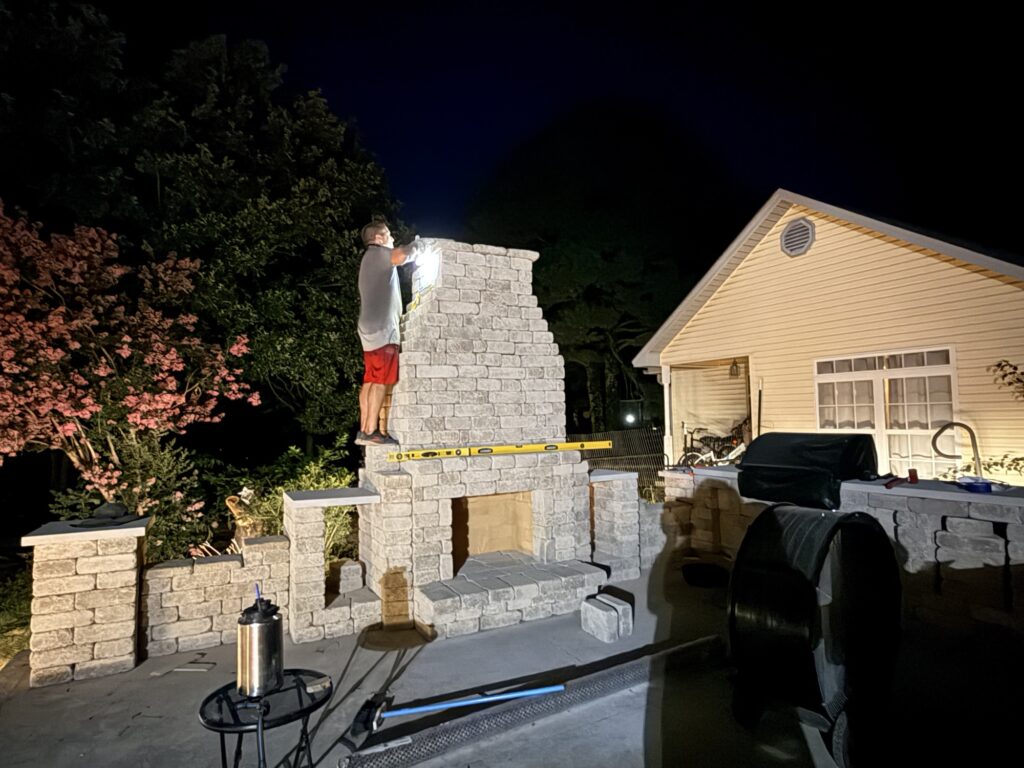
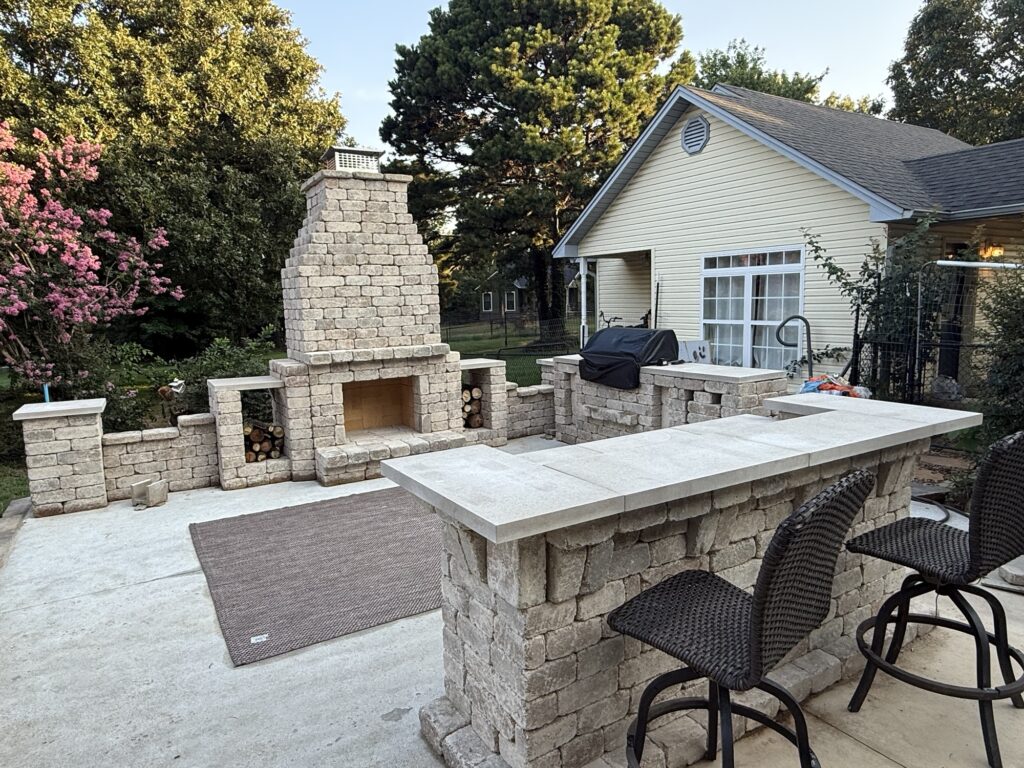
We built a ten-foot-tall fireplace.
An island.
A kitchen and grill area.
It was one of the hardest and most rewarding things I have ever done.
And while we built it together, Robert was the backbone of the whole thing.
He made sure everything was level. He had to learn how to use mortar because the adhesive that came with the kit was only useful if you already had a level surface.
Our concrete, as concrete almost always is, was slightly unlevel.
So Robert had to mortar it.
He was nervous about that because, like I said, he doesn’t like to do anything unless he can do it with perfection and precision.
Then he learned that he was skilled at that too.
And we just kept working.
Night after night.
Round after round.
Block after block.
And it reminded me of the first time we climbed Pinnacle Mountain together.
We climbed because we wanted to get to the top.
That is what this was too.
We were climbing because we wanted an outdoor kitchen that was affordable to us.
We climbed through 25,000 pounds of blocks.
Through 100-degree heat.
Through sore muscles and numb arms.
Through 29 minutes of sleep.
Through mortar and measurements and making sure everything was level.
We kept climbing.
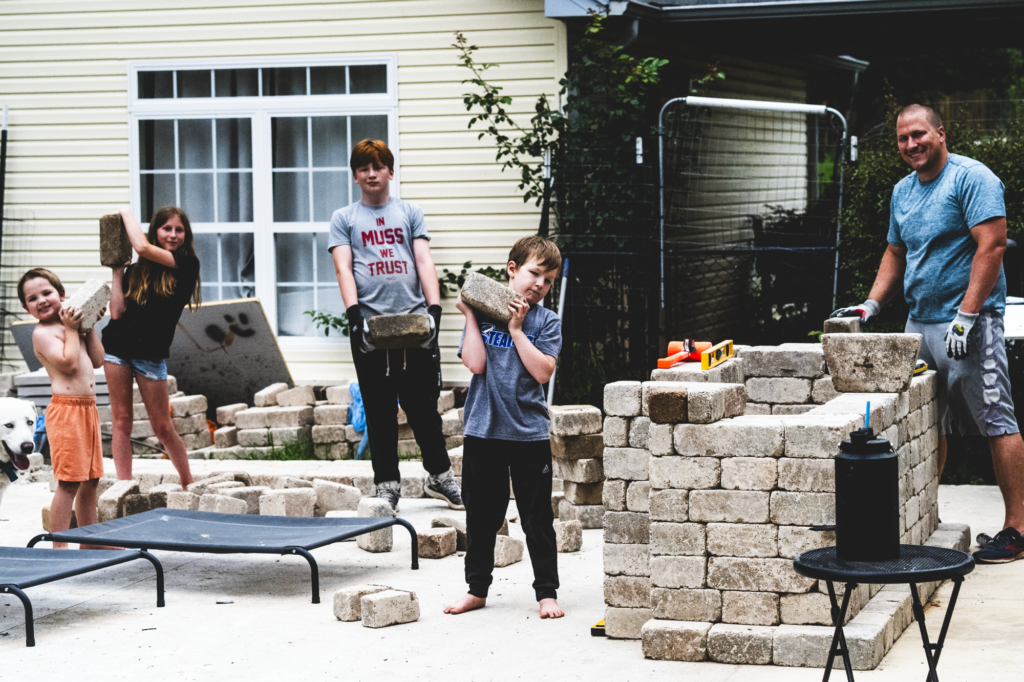
And somewhere along the way, our children started climbing with us.
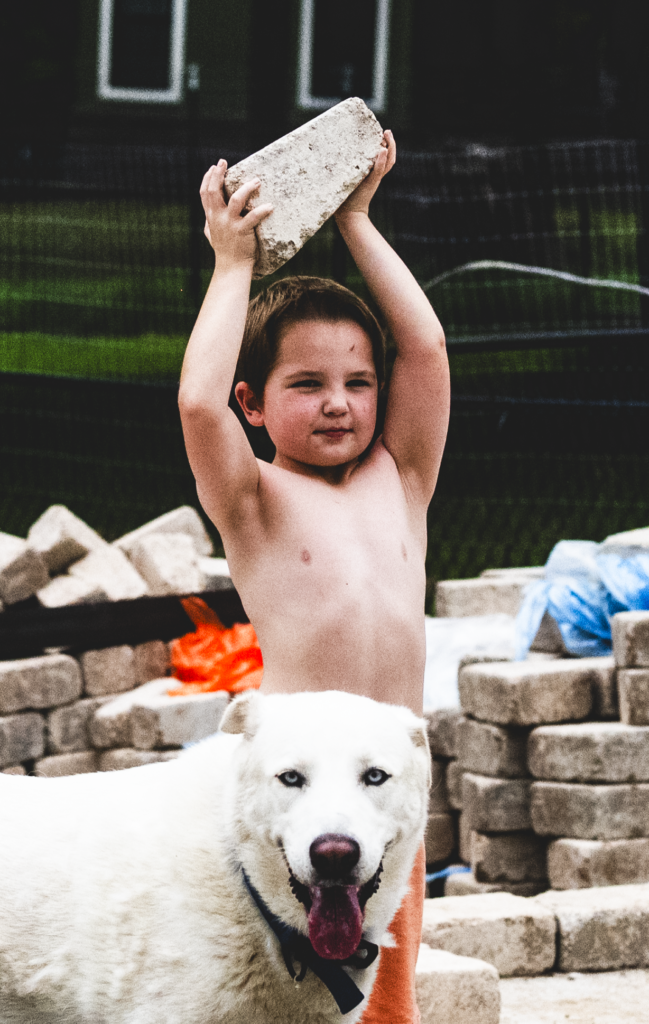
They carried blocks.
They worked beside us.
They watched their dad learn how to do something he had never done before.
They watched their mom look at something enormous and say, We can do this.
And then they watched us do it.
Robert and I spent one of our first dates climbing a mountain together with Subway in our backpacks.
I had no idea then that I would marry him.
I had no idea that we would build a life together.
I had no idea that, years later, we would stand in our backyard with four children, surrounded by thousands of pounds of concrete blocks, building something that once seemed completely beyond us.
But I think those early hikes were a foreshadowing of the future we were building in tandem.
Because we like doing hard things together.
And I think that is what marriage is.
Every day, doing hard things.
Sometimes carrying more than you think you can carry.
Sometimes looking at the person beside you and realizing you never fully understood how strong they were.
Sometimes climbing when you are tired.
Sometimes climbing when you are sore.
Sometimes climbing when you have no idea how much farther you have to go.
Robert is putting the final cap on the fireplace.
But continuing to climb because you want to see what is waiting at the top.
And today, when I look at what we built, I am ridiculously proud.
Not just of the fireplace.
Not just of the kitchen.
Not just of the 25,000 pounds of concrete blocks that somehow made their way from our driveway, around our property, and into something that will probably outlive us.
I am proud of my husband.
I am proud of my children.
I am proud of us.
All these years later, we still climb.
And now our children climb with us.
And probably the most daunting idea is that what we’ve built in our backyard will outlive us, just like what we built in marriage.
Today, we had the pool liner installed, and with it came the end of a stressful renovation… at least I hope so.
Mostly for Robert.
I say that with a smile because my husband thinks… a lot. His brain is always solving problems, asking questions, and trying to think five steps ahead. Sometimes I wonder if it ever gives him a break.
Which might be why Jonah reminds me so much of him.
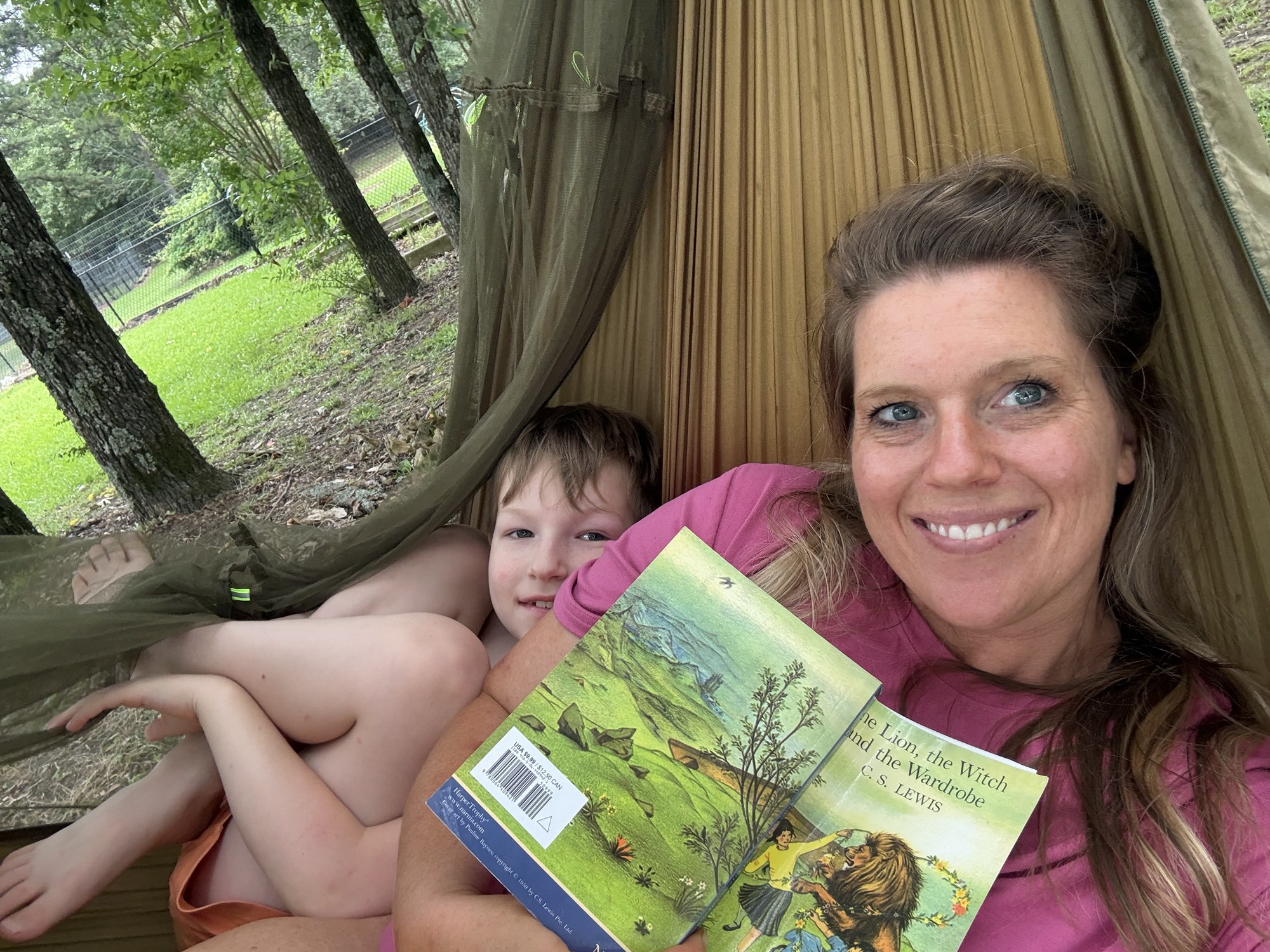
Today, while Robert handled the contractors, Jonah and I climbed into the hammock outside with Chronicles of Narnia: The Lion, the Witch and the Wardrobe. Before I knew it, we’d read four chapters.
Well… sort of.
Every couple of minutes I’d get interrupted.
Not because he was bored.
Because he had questions.
“What happened to the wardrobe door?”
“Why can’t Edmund find it?”
“If the door disappeared, then how did Lucy get back in Chapter 2?”
I kept trying to explain that it was dark where the wardrobe door was, so the children were following the light farther into Narnia. But that answer wasn’t good enough.
He just couldn’t make it make sense.
When we finished reading, we walked inside to eat the watermelon we’d cut together earlier that day. Well… the watermelon I’d cut after Jonah insisted I practice first because he wanted perfect squares.
As we were eating, he was still talking about the wardrobe.
“I just don’t understand it,” he said again.
His brain simply wouldn’t let it go.
Watching him smile, think, and wrestle with that question reminded me of something that had happened just a few days earlier.
According to my Oura ring, I’d gotten two hours and twenty minutes of sleep that night.
I stumbled out of my bedroom into the living room, which is completely unlike me because I usually head straight for the coffee pot. I looked around, sighed, and wondered how I was supposed to function through the day.
Then I noticed Jonah had slept on the couch.
I hate when they do that.
I’m not particular about much, but every time one of the kids sleeps on the couch, all I can think about is them wearing it out. Maybe it’s because a couch practically has to be falling apart before Robert agrees it’s time to buy another one.
Still half asleep, I yawned and said, “Buddy, I am so tired.”
He looked at me.
“Can I ask you a question?”
I sighed.
“Yes, Jonah.”
“Never mind.”
The little disappointment in his voice immediately made my mom guilt kick in.
“Just ask.”
“No. It’s okay.”
“Jonah,” I said, “please don’t do this. I’m too tired. Just tell me.”
Finally, he blurted out,
“I just don’t understand why they made white chocolate. It’s pointless.”
I stared at him for a second.
Then I laughed.
Because honestly… I had absolutely no answer.
Later that morning, Robert finally woke up.
He’d been quiet for days, and I knew something was bothering him.
“You care to tell me what’s stressing you?” I asked.
“The renovation.”
“I just can’t stop my brain.”
Then it all started coming out.
“I wonder if they put concrete under the pool stairs.”
“I wonder if the scratches on the pool steps could cause a leak.”
“I forgot to see how thick the concrete is where we’re putting the fireplace.”
“What if it won’t hold it?”
Question after question after question.
I reminded him that we’d hired contractors because this is what they do every day.
Then I couldn’t help but laugh.
“What?” he asked.
“You know who you sound like?”
He looked at me.
“Jonah.”
Then I told him about my two hours of sleep, stumbling into the living room before coffee, and Jonah’s urgent question that absolutely could not wait.
“I just don’t understand why they made white chocolate.”
Robert burst out laughing.
Today, lying in that hammock, listening to Jonah work through every possible explanation for the wardrobe door, I found myself smiling again.
I’d already realized it a few days ago.
Jonah thinks just like his dad.
One wonders whether there’s enough concrete under the pool stairs.
The other wonders why Edmund couldn’t find the wardrobe door.
Both of them will chase a question until they’ve exhausted every possibility.
When I read “Attached,” I thought it would help me understand relationship dynamics, which I find fascinating. As I shared in my previous post about my own mixture of secure attachment with anxious traits, I wasn’t expecting one book to answer questions for both Robert and me.
For years, Robert believed he was avoidant.
It made sense to him.
He doesn’t enjoy conflict.
He’s not reactive.
He’s calm.
He’s slow to assume the worst.
People at work have even described him as lacking emotion.
My family teased him about it, too.
I used to joke that he would have made a wonderful oncologist because he could gently deliver terrible news by simply saying, “This isn’t good news.”
Not in a cold way.
Actually, in the warmest way possible.
That’s always been Robert.
Even when we were dating, he didn’t always choose to spend every free moment with me. But when he told me, he did it with so much kindness and warmth that I couldn’t quite reach the conclusion my friends reached, that we should break up.
Then I read about avoidant attachment.
The more I learned, the less Robert sounded avoidant.
Avoidantly attached people often fiercely protect their independence.
They tend to value autonomy over interdependence.
Deep dependence can feel uncomfortable.
That wasn’t Robert.
Robert was the one who asked me to leave my career and stay home with our children.
He wanted to build a life where we depended on each other.
We share finances.
We built a home.
We’re raising four children.
Our lives are deeply intertwined.
That isn’t someone avoiding attachment.
That’s someone deeply attached.
The more I read, the more I realized Robert wasn’t avoidant at all.
Actually, he’s often the most emotionally steady person in the room.
He wasn’t avoidant.
He was secure.
What I found most interesting was how far from the truth both of our assumptions were.
As we sat on the porch talking about everything I had learned, Robert told me he had always assumed he was avoidant because he had once heard a fitness podcast briefly mention attachment styles. They described avoidant people as calm and independent, but they never explained what secure attachment actually looked like.
As I explained what I had learned, I accidentally answered a question I had been asking about him for years.
Why wasn’t he jealous?
For years, I thought those were two separate questions.
They weren’t.
They had the same answer.
Robert wasn’t calm because he loved me less or because he wasn’t attracted to me.
Or that he didn’t think it would be the worst thing to lose me.
He was calm because his mind wasn’t organized around the expectation of losing me.
His mind wasn’t set at a negative outcome default.
That realization changed everything.
The very thing that convinced Robert he was avoidant was actually evidence of his secure attachment.
And the very thing I interpreted as a lack of passion was, in many ways, evidence of the same thing.
He isn’t what people expect.
A few nights ago, Robert and I were sitting at a bar when something happened that made me laugh.
A man Robert had greeted earlier noticed him walk away to pay our tab. He came over and asked, “Are you Robert’s wife?”
When I said yes, he smiled.
“When Robert turns around, I want you to hug me. Let’s see his face.”
I laughed.
“I’ll hug you,” I said, “but you’re not going to get the reaction you’re hoping for.”
He looked confused.
“Really?”
“No,” I said. “First, Robert is going to know it’s a joke because I don’t hug random people. And second, he’s probably just going to roll his eyes because that’s simply not who he is.”
The man couldn’t believe it.
When Robert came back, I told him what had happened, and we all laughed.
Driving home, I realized something.
For years, I thought I was the only one trying to explain Robert.
I wasn’t.
My friends had explanations.
My family had explanations.
Strangers had explanations.
I had explanations.
Everyone was observing the same man.
Everyone was assigning a different meaning to his behavior.
Attachment theory didn’t change Robert.
It changed the story I believed about him.
While his behavior remains the same.
My perspective and interpretation of it have definitely changed.
Today, it’s 11:05 a.m., and the sun is still hiding behind the clouds, casting an overcast scene in front of me. The air is humid, wrapping around me like a blanket. I don’t mind humidity, though. I’ve visited desert regions of the United States, and I’ve come to appreciate what I call nature’s moisturizer. Humidity leaves our skin soft and shiny instead of rough and dull.
I’ve been excited to write about what I learned over the weekend because I seem to process things best when I’m forced to articulate them. Writing in my journal, to people, or on this blog helps me clarify where I stand and, ultimately, find peace.
This weekend, I read a book that I think everyone should read—especially if you are married, have children, are a teenager beginning to date, or are a teacher working with children from a variety of households.
I’m sitting here listening to the birds chirp, trying to figure out where to start because the book offers so much insight. I expected to learn about relationships. Instead, I learned something about myself.
A few days ago, I was outside working in the yard while listening to the audiobook. Before long, I found myself walking inside to find Robert.
“You make sense now,” I told him.
Then I laughed.
“Actually, I make sense now, too.”
Before reading the book, Robert thought he was avoidant. I didn’t know what I was—maybe just a basket case. If you know me, you know you laughed.
It turns out everything I assumed I knew about myself, my marriage, and my relationships with others was mostly wrong—in a good way. Attachment theory ended up explaining things about our marriage that had puzzled me for years.
If you have read the book Attached, you know where this is going. If you haven’t, I highly recommend it. I had no expectations when I purchased it. I enjoy scientific studies on human behavior, but I wasn’t prepared to be confronted with the possibility that I had misunderstood something fundamental about my own marriage.
I think sometimes we carry on like slightly ill people who never go to the doctor, so we never realize that headaches at 3:00 every day aren’t normal. Then one day we go in for something completely unrelated, and the doctor says, “Hey, you don’t happen to get headaches every afternoon, do you?”
As it turns out, there’s a reason.
Suddenly, something you’ve experienced for years makes sense.
That’s how this book felt.
For years, a certain symptom kept showing up in my relationship with Robert.
When we were dating, friends would tell me to break up with him.
“He doesn’t prioritize you,” they would say.
But that explanation never quite fit the man I knew.
He was kind.
Yes, he liked spending time with his friends. Sometimes he chose them over me. But even when I was disappointed, it never outweighed the character, gentleness, and steadiness I saw in him.
He wasn’t constantly whispering sweet words in my ear.
He wasn’t overly emotional.
He wasn’t intense.
But somehow, it still felt right.
Then we got married.
We had children.
Time alone together became harder to find.
And suddenly, some of those things that hadn’t bothered me before became harder to ignore.
My friends were married now, too.
Some had husbands who became jealous over interactions with other men. Some would confront perceived threats. Some seemed intensely protective.
But not Robert.
In fact, when I was in college (and married), I had a close male friend. Our friendship was completely platonic. We had some of the same classes, studied together, grabbed lunch occasionally, and sometimes he even came to both Robert and me for advice about his relationship.
Robert never seemed threatened.
Never seemed jealous.
Never seemed concerned.
And it wasn’t just him.
As the years passed, I wondered. Then, I began filling in the blanks.
Maybe he wasn’t worried because he wasn’t attracted to me.
Maybe he wasn’t worried because he didn’t see me the way other husbands seemed to see their wives.
Maybe he loved me, but not with the intensity I saw in other relationships.
The strange thing was that those explanations never quite fit the evidence. Overall, I was often just as happy—or happier—in my marriage as friends whose husbands were intensely jealous or protective.
So how can I make this make sense?
I’ve always been perceptive.
One time, Robert wanted to move a family friend into our home. The moment I met him, alarms went off in my head. I told Robert absolutely not. Later we learned that the man had been scamming a family member out of thousands of dollars.
Another time, I got off a brief phone call and immediately told Robert that I thought a family member knew something we had intentionally kept from them.
“No way,” Robert said.
But they did.
So I began to trust my instincts.
Actually, that’s not quite right.
I began to trust my interpretations.
That sentence changed the way I think about nearly every relationship in my life.
I thought I had become an expert relationship meaning-maker.
If I sensed something, I assumed I understood it.
If I noticed a shift, I assumed I knew why.
What I would eventually learn is that observation and interpretation are not the same thing.
According to attachment theory, there are three main attachment styles, but two of them immediately caught my attention.
The securely attached person generally assumes the relationship is okay unless given a reason to think otherwise. They are open to love, receive love easily, and tend to believe the relationship will persevere.
The anxiously attached person also builds deep connections. But when they sense a change in that connection, they don’t always interpret it as neutral.
Research discussed in the book found that anxiously attached individuals are often remarkably perceptive. They notice subtle changes in emotional connection faster than many other people.
The problem isn’t necessarily what they notice.
The problem is what happens next.
An anxious attachment style doesn’t just notice the shift.
It assigns meaning to the shift.
A delayed text becomes rejection.
A quiet evening becomes distance.
A distracted spouse becomes a spouse who has lost interest.
The observation may be accurate.
The interpretation may not be.
That distinction hit me like a ton of bricks.
For years, I thought my intuition was infallible because I had been right enough times to trust my conclusions.
What I failed to realize was that being a good observer and being a good interpreter are not the same thing.
Attachment theory didn’t teach me to distrust my intuition.
It taught me to slow it down,
Looking back, I can see how often I confused observation with certainty. I noticed shifts and immediately assigned meaning to them. I filled in blanks. I connected dots. And because I had been right before, I trusted my conclusions without always questioning them.
What I didn’t know then was that one of the biggest misconceptions in my marriage wasn’t about Robert at all.
It was about the story I had created to explain him.
And that’s where attachment theory changed everything.
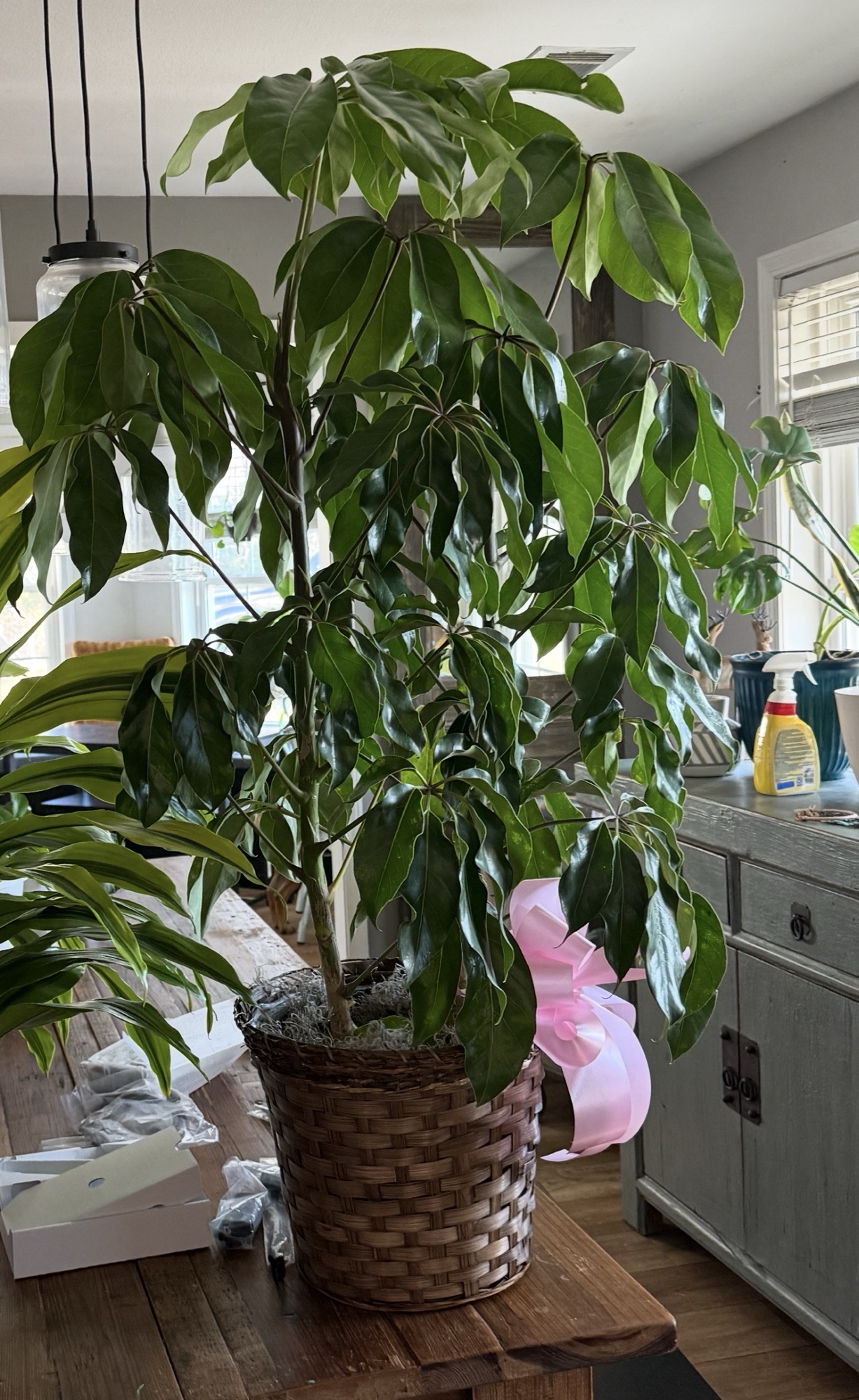
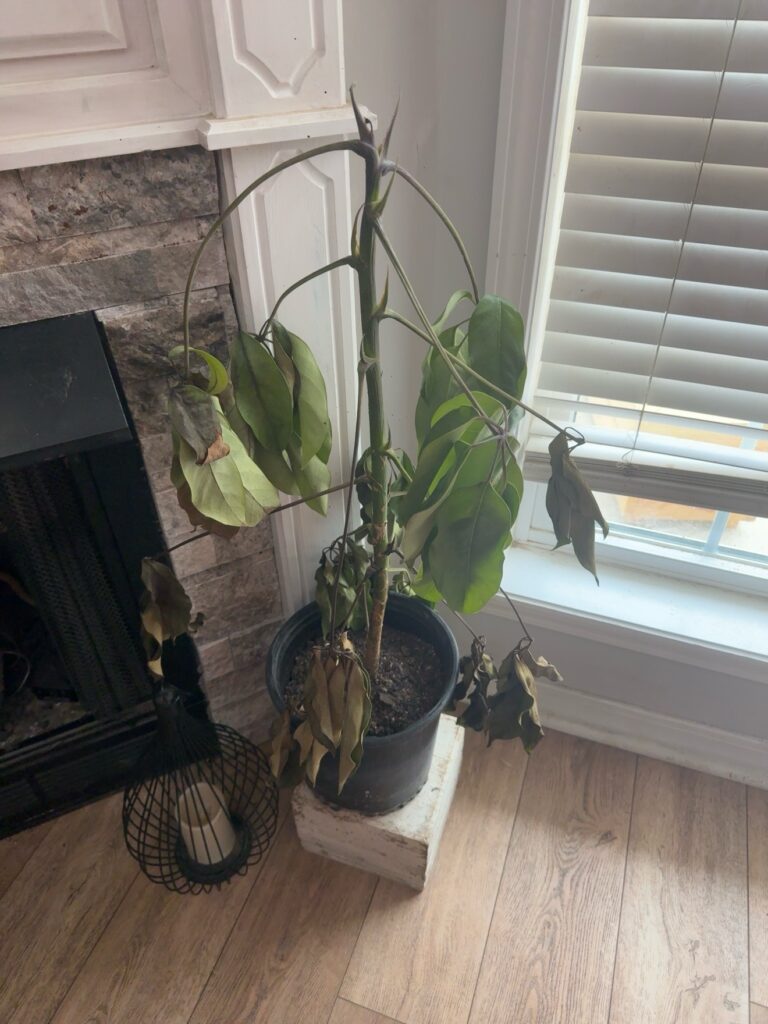
Nearly a year ago, Robert brought home this beautiful umbrella plant. It was full, healthy, and thriving. Naturally, when the time came to repot, I decided to divide it into two plants.
One half is doing great.
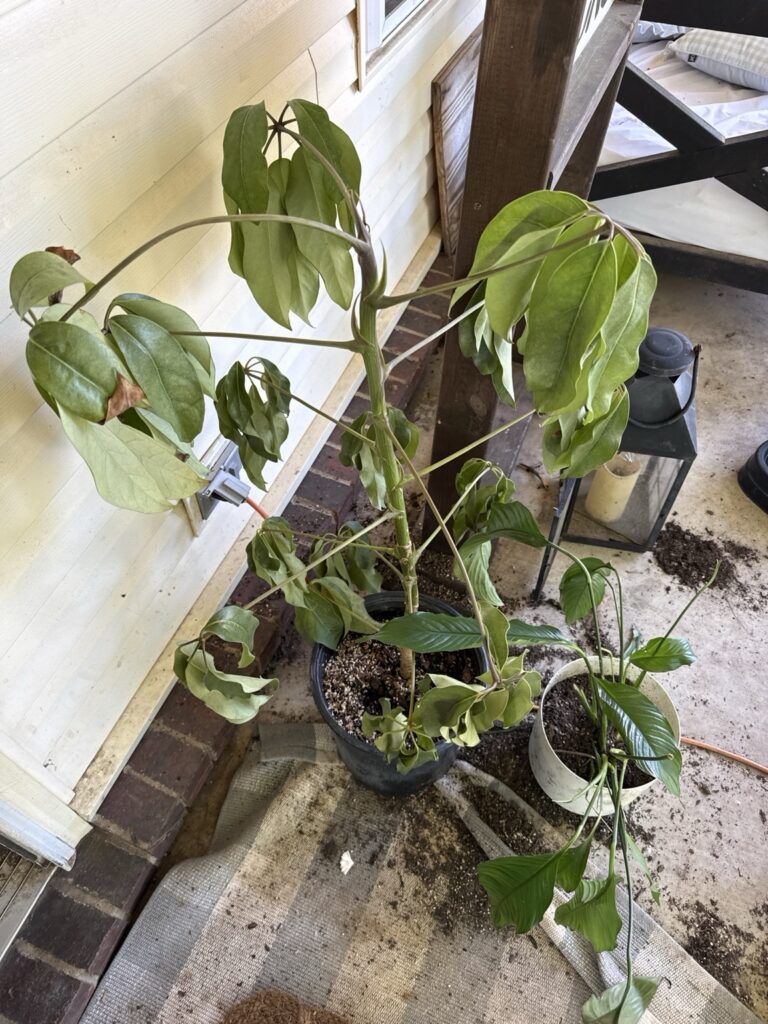
This half? Well…he apparently missed the memo when I said, “Persevere.”
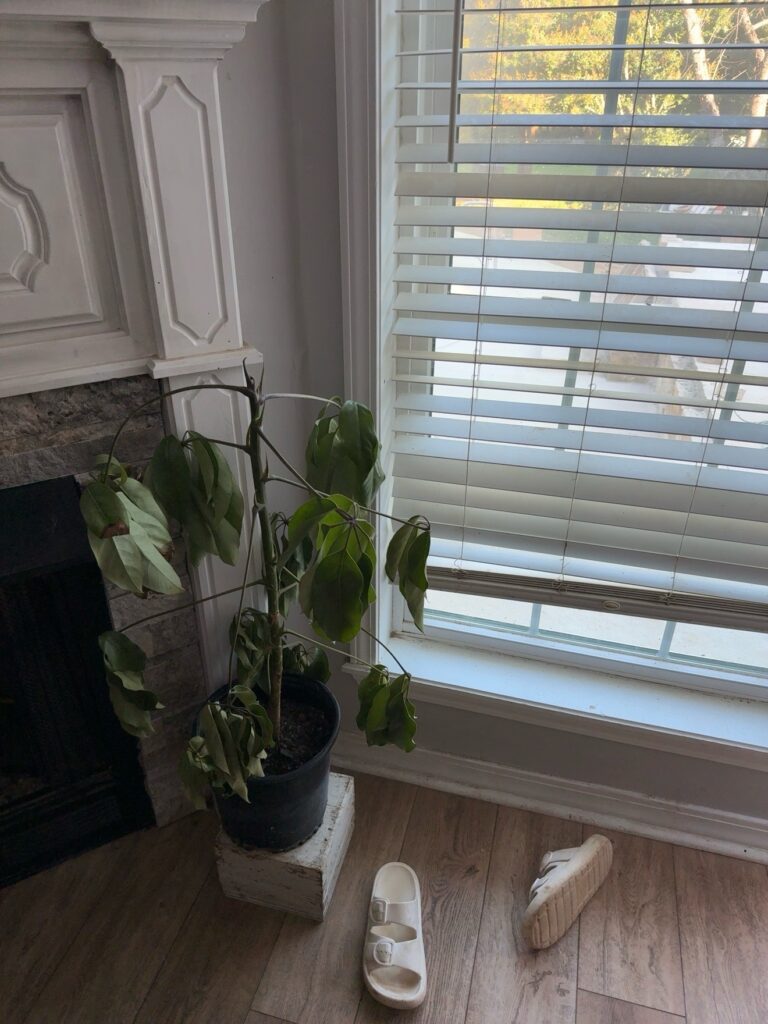
I thought he was thirsty, so I watered him. Then I realized the soil was staying wet, but he continued to droop anyway. He spent a few days outside in the Arkansas heat before I finally brought him inside, hoping the cooler temperatures would help him recover.
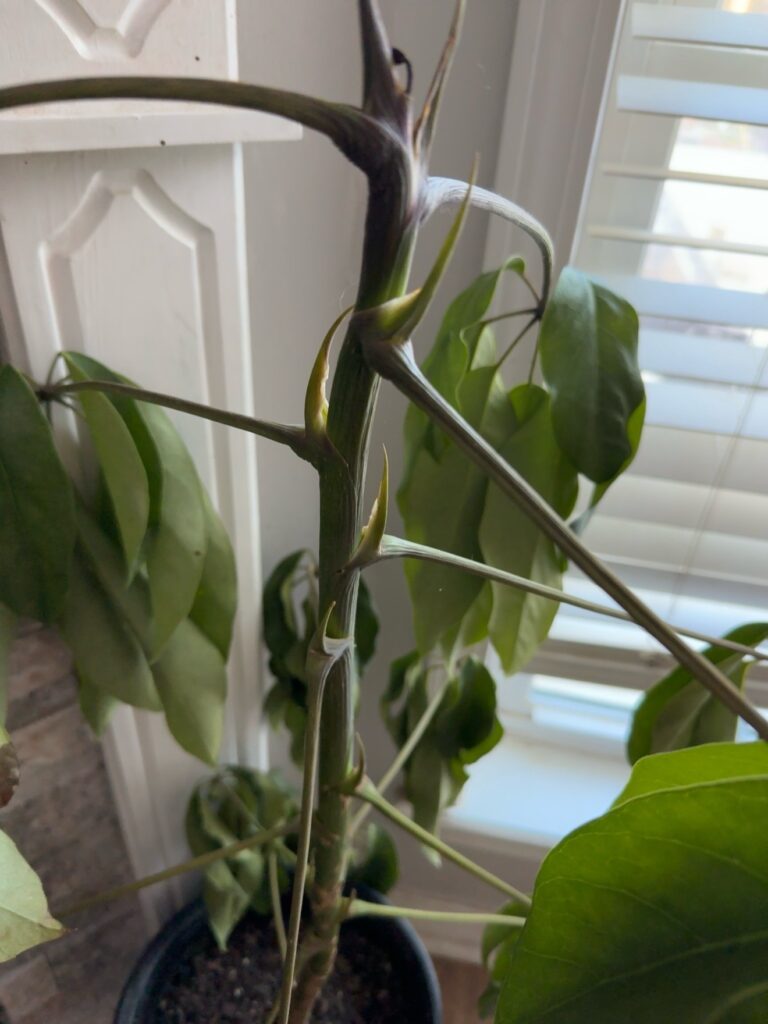
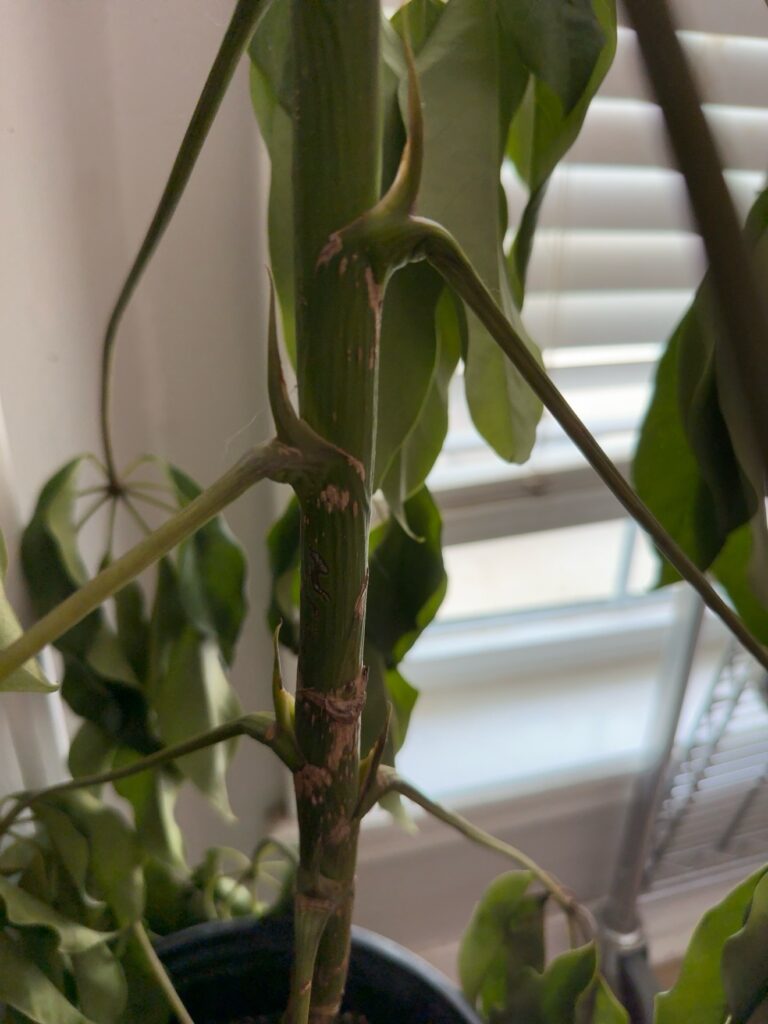
Since then, I’ve learned something I didn’t expect. A plant can look absolutely pitiful while still trying to grow. Even though many of the older leaves have drooped, there are tiny new leaves emerging from nearly every stem.
So, for now, I’m resisting the urge to keep “fixing” him.
No more moving him around.
No more watering every time he looks sad.
Just patience.
Gardening has a funny way of teaching the same lessons life does. Sometimes turning over a new leaf (pun intended) can still look messy. Because well, it’s growth.
Whether this guy pulls through or not, he’s already taught me something.
We’ll check back in a few weeks on a random Work on It Wednesday and see if he finally got the memo.
Also, if anyone has any advice, I’m open to it.
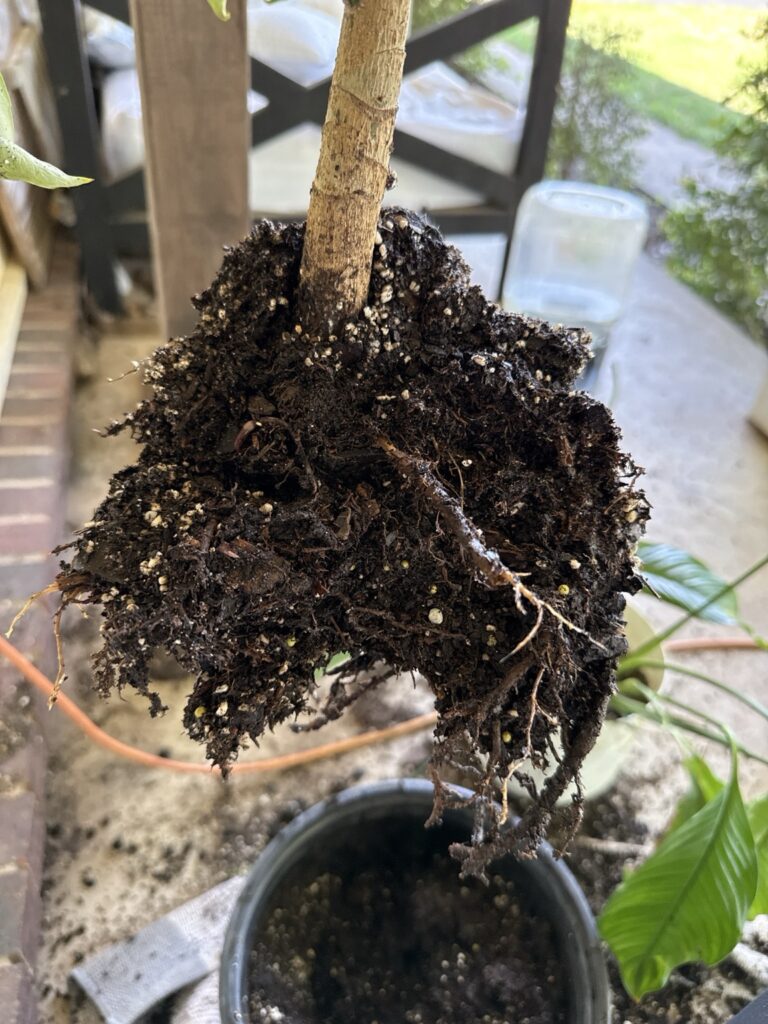
First signs of trouble. Roots still looked good though.I started to get worried when a few days later it didn’t perk up. Today… Looking scary!
This week’s Tiny Act of Kindness Tuesday is about how my daughter’s lemonade stand inspired me.
A couple of weeks ago, Abigail had some friends over, and it was hot outside.
Right now, our pool is waiting on a liner to be installed, so our usual summer plans are on hold. Originally, we decided to paint. Then, somewhere in the middle of the afternoon, I jokingly said, “I wish you were still little enough to want to do lemonade stands.”
Her eyes lit up.
She immediately started talking about the last lemonade stand she had when she was five years old. She remembered making money and having fun, and before I knew it, she had convinced her friends they needed a lemonade stand.
It was already after 1:00 p.m., and I had to send Robert to the store for lemonade mix.
I gently warned the girls that lemonade stands aren’t always successful on our road. We don’t live in the same close-knit neighborhood where Abigail spent her early childhood. Our homes are more spread out here, and there simply isn’t as much traffic.
But sometimes the fun isn’t in the selling.
Sometimes the fun is in the setting up.
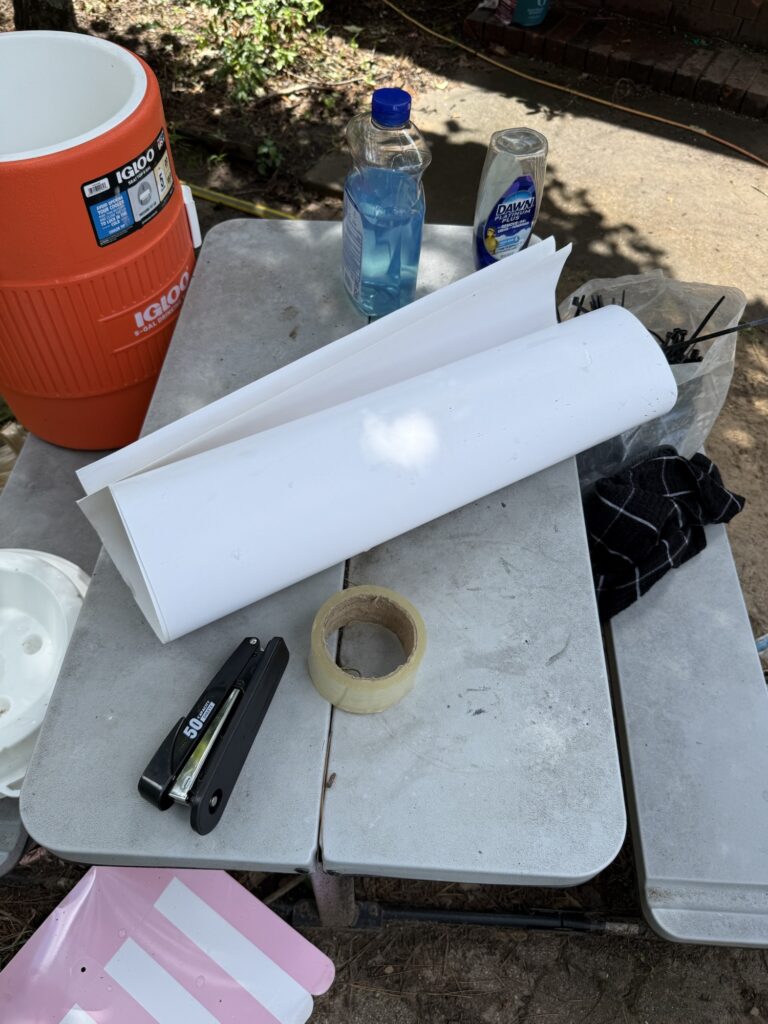
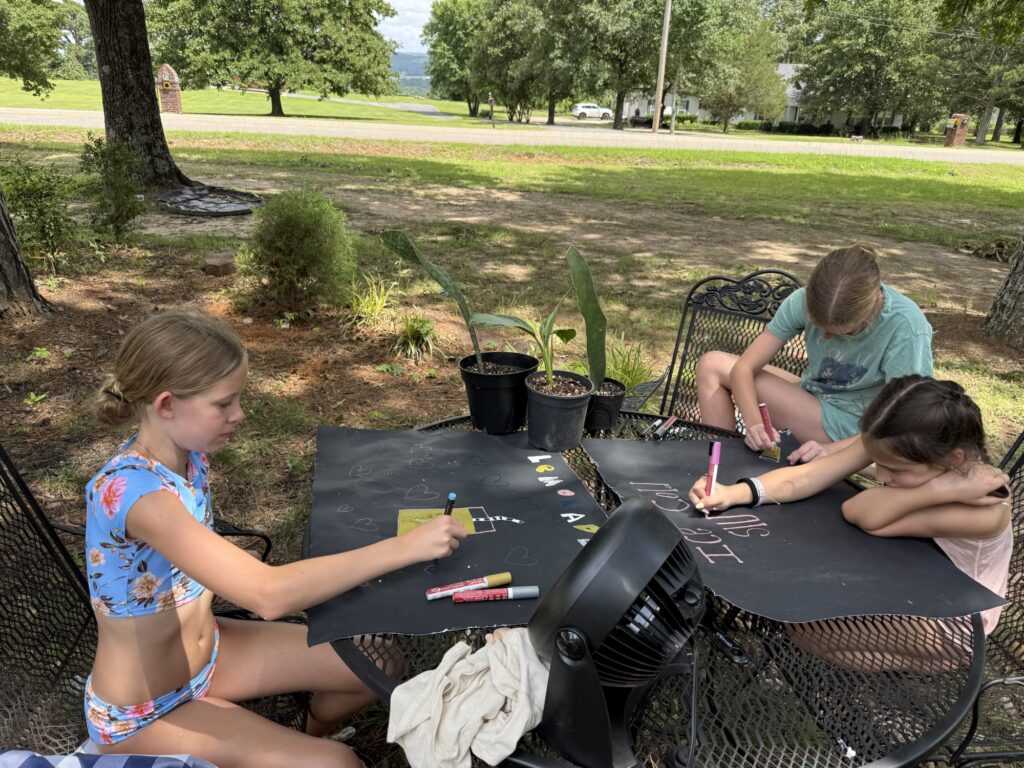
Abigail found some rolled-up poster board in my craft area, and I taught the girls a little art trick for flattening curled paper. We dampened it, weighed it down with garden blocks, and left it to dry in the sun while we worked on the rest of the stand.
Then Abigail and I started shopping our own house.
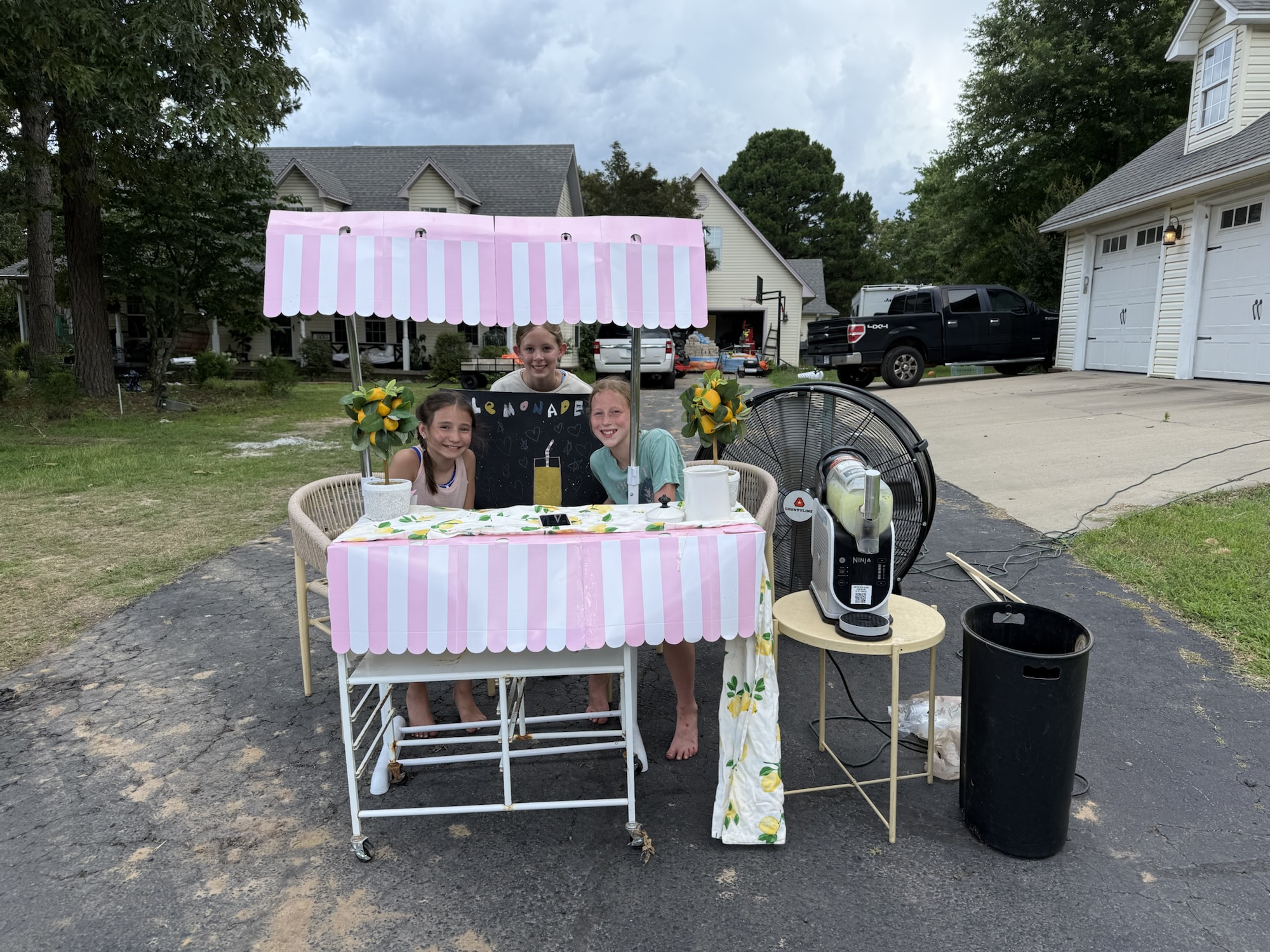
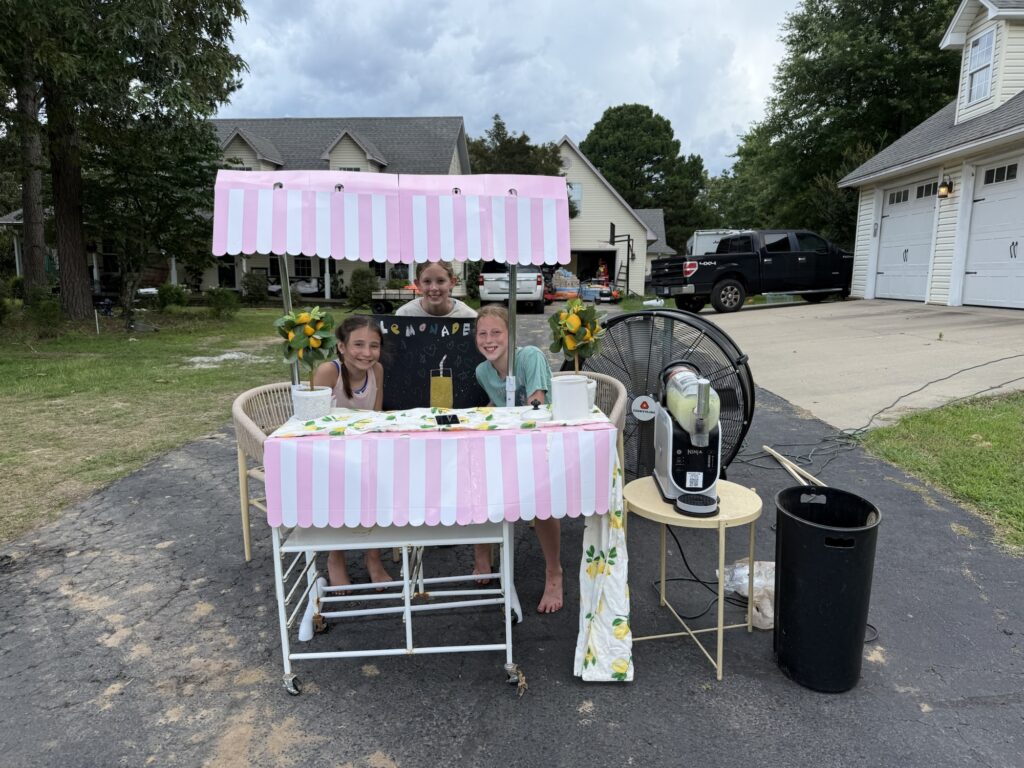
The stand itself was an old white plant cart I normally use for rehabbing plants. I found a pink cardboard awning left over from a birthday party years ago. We added a lemon-themed tablecloth, a tip jar, some summer decorations, and a few lemon trees that usually sit elsewhere around the house.
Before long, what had started as random odds and ends looked like a real lemonade stand.
We mixed lemonade, made simple syrup for extra sweetness, and brought out my Ninja Slushi machine because, if I’m being honest, I use that thing almost every day during spring and summer.
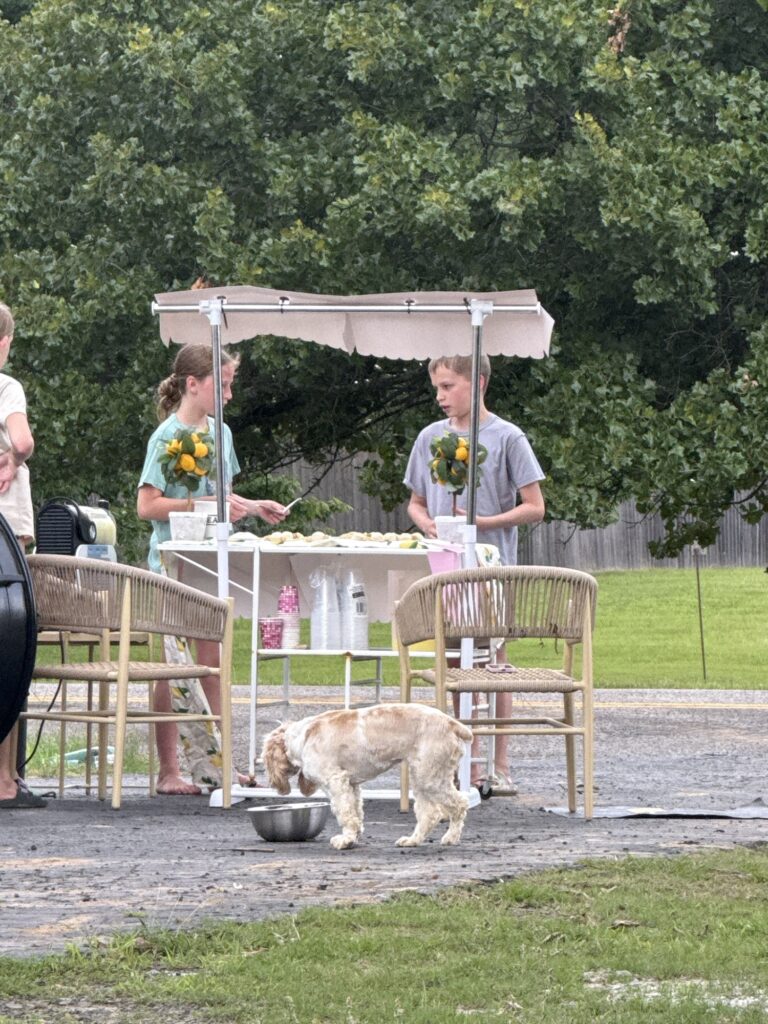
The girls spent the afternoon making signs, arranging decorations, and getting everything just right.
And I loved every minute of it.
But the stand wasn’t my favorite part of the day.
The people were.
One of the girls looked at me at one point and said, “I don’t even care about the money. I just want a customer.”
I started praying for customers, but I know how spaced out the neighbors are here. But even if just one….
Because the girls weren’t trying to get rich. They wanted someone to stop. They wanted someone to see what they had created. They wanted to serve somebody. They wanted to share their excitement with the world.
And people did.
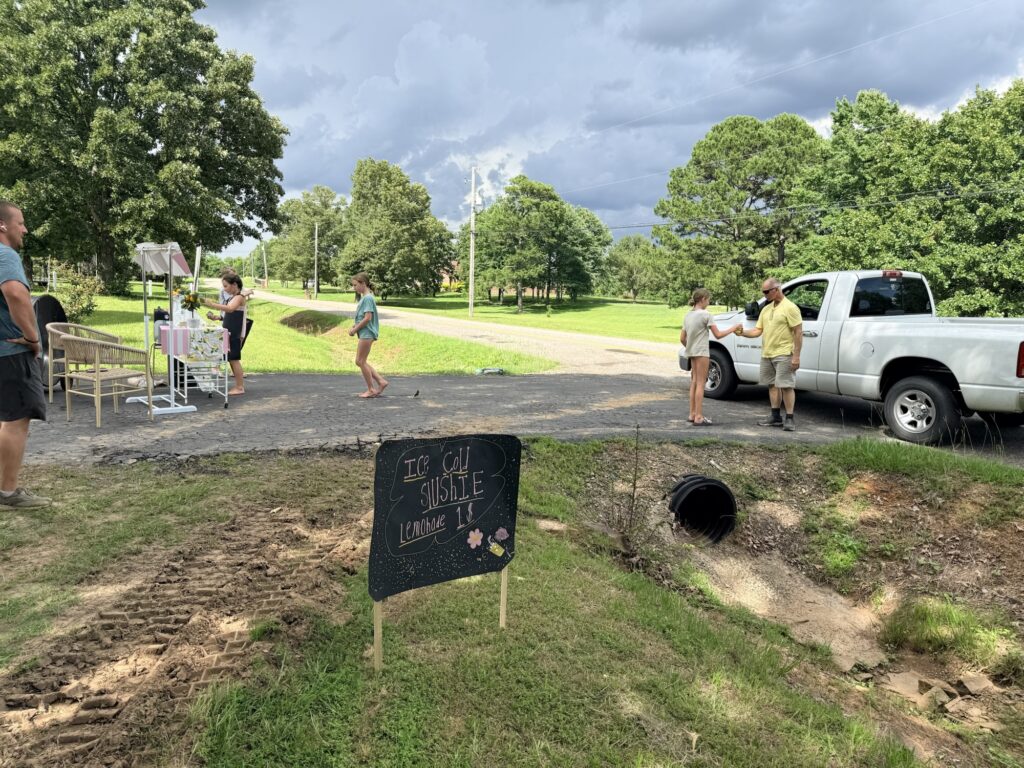
Car after car slowed down.
Neighbors stopped.
Strangers stopped.
Our neighbor sent her son and tagged everyone she knew from our area in a community post.
One man came back for a second cup.
Another handed the girls a twenty-dollar bill for two cups of lemonade.
Ironically, the girls weren’t the only ones who made new friends that day. After six years here, I left with two new phone numbers and a few neighbors I finally got the chance to meet.
I don’t think those adults realized what their kindness meant.
To them, it may have been a quick stop on a hot afternoon.
To those girls, it was everything.
It told them their effort was noticed and that creating something and putting it out into the world was worth doing.
I’ll be honest: I rarely carry cash anymore. But that afternoon changed the way I think about lemonade stands.
We often talk about wanting kids to stay out of trouble, work hard, and spend less time staring at screens.
That is exactly what these girls were doing.
They weren’t scrolling TikTok.
They weren’t texting.
They weren’t sitting inside playing video games.
They were outside in the Arkansas heat creating something together, hoping someone would stop and share in their excitement.
And so many people did.
Those cups of lemonade probably weren’t life-changing.
But the kindness those girls experienced was.
They’ve already started talking about their next lemonade stand.
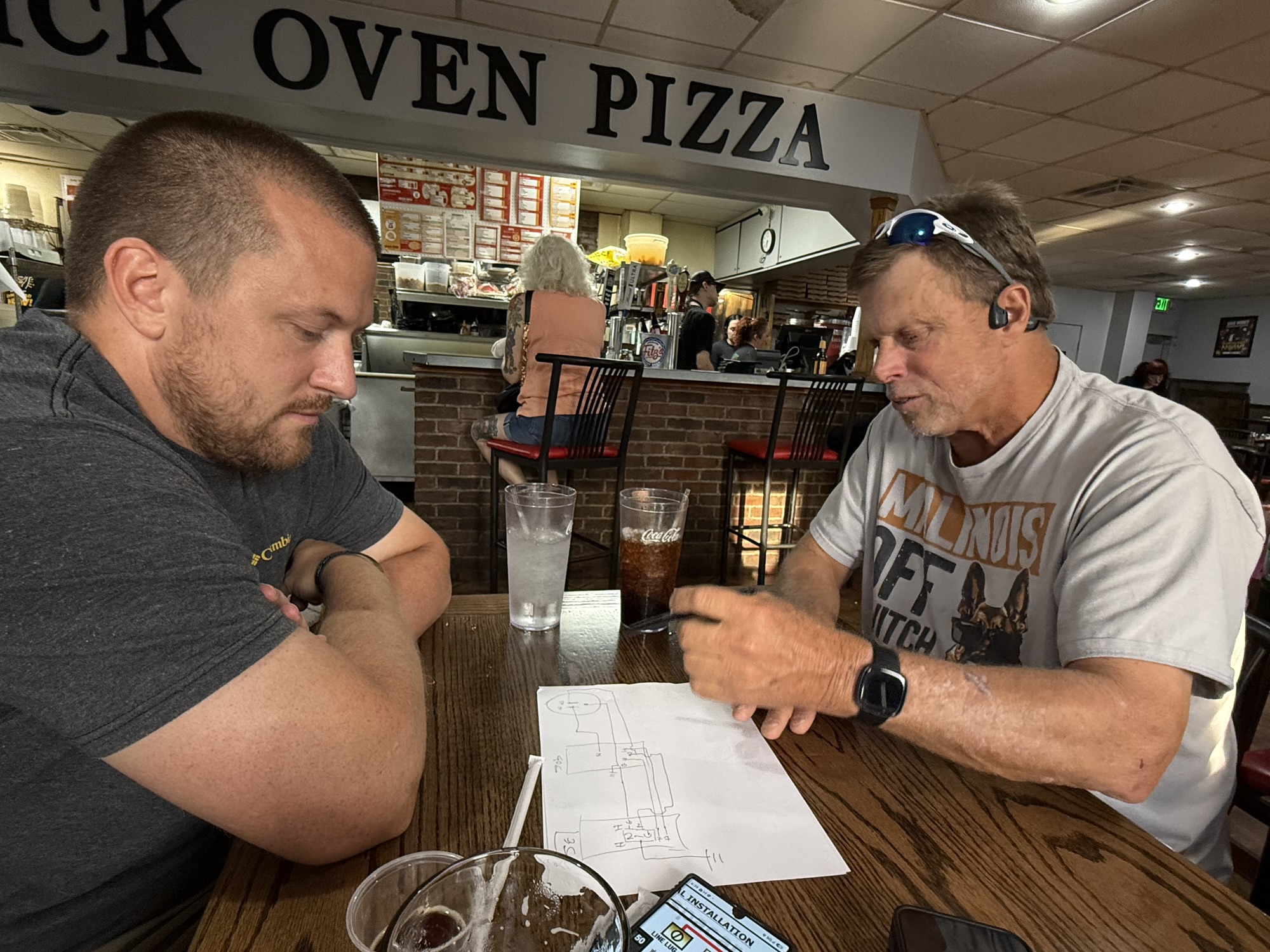
It’s a picture of my dad and my children’s dad sitting together at a table during my dad’s most recent trip to Arkansas. It was actually the last trip for a work contract that brought him here regularly, and since it was only a one-day trip, he suggested he not stay the weekend. I told him that coming to Arkansas and not visiting me would be crazy.
A couple of months earlier, my dad mentioned that he was beginning to feel like a burden when he came to visit. I love him dearly, but sometimes I think he lives in a completely different universe than I do.
I told him that we might be busy when he comes. The kids have activities, Robert and I have projects, and life keeps moving. But none of that changes how much his visits mean to me.
I told him, “Dad, even if we’re busy, just having you here means the world to me. You don’t even have to be in the house. When you stay in the guest house, and we can share a few meals, have a few conversations, and go about our days. Just knowing you’re here brings me comfort.”
I don’t know that he fully understood what I meant, but it’s true.
There is something comforting about knowing my dad is nearby, even when we’re doing nothing special at all.
To understand why these visits mean so much to me, you need a little backstory.
At Thanksgiving in 2022, my daughter hugged my dad and asked about a spot on his back. I asked him to show it to me, and the moment I saw it, my stomach dropped. I went into the kitchen where Robert was cooking and leaned against the sink and went to the floor. It reminded me of the melanoma brochures I had seen in dermatology offices.
I said, “Dad, I think you have melanoma.” I documented the spot with a picture and moved on.
You have to understand that my dad is like every other dad. He’s super brave. Always worried about everybody else. Telling me to go to the doctor when I have a fever for a few days straight, but he doesn’t worry about himself… at all.
Then, in November of 2023, we learned he had metastatic melanoma.
His doctor said remission would not be the goal. The melanoma had spread so much that his oncologist said he couldn’t believe my dad was still able to walk. Not only that, but he had a patient, same age/disease/same metastasis as my dad who only lived 6 months.
Ouch.
The thought of losing my dad felt unbearable.
But as usual, my dad was the strong one. He said he wasn’t scared. He said that he had made peace with a good life that he already had if this was the end. To this day, I am blown away by my dad‘s strength. If he truly was scared, he never showed it. And he was an example for me on who I want to be for my kids. I remember him even telling me one time, I will feel sorry for you if something happens, but I’ve lived in my life so don’t feel sorry for me.
That was a gut punch.
The treatment was difficult. It made him extremely sensitive to sunlight, which felt especially unfair for someone who loves golf, loves his dogs, and loves being outdoors. I remember wondering how much of the life he loved would be taken from him, even if the treatment worked. Because if he had to stay on that treatment to survive and he was breaking out in hives from ANY sun exposure, would he give up?
Then something remarkable happened.
My dad went into full remission.
Not only that, but he received a work contract that brought him to Arkansas every other month. Suddenly, I was seeing him more often than I ever had during my adult life.
During that season, there was a song that became deeply meaningful to me.
Sunshine by NEEDTOBREATHE
“Tell ’em you feel alright, we’re living in sunshine”
Those words stayed with me because they captured exactly what I wanted for my dad. More than survival, I wanted him to feel well. I wanted him to enjoy life again. I wanted him outside, doing the things he loved.
So you can imagine what it felt like when, during this last visit, my dad randomly said, “You know, I usually come to Arkansas around Thanksgiving when the trees are bare and everything feels gray. Being here in the sunshine when everything is green is amazing.”
It took my breath away. I thought, this is why we keep him around. It’s the simple things for him.
But in that moment, I realized it wasn’t that I was no longer hoping for those things. It was that I had only been able to imagine them. My dad had been in remission for two years, but my dad never came to Arkansas in the summer, so since his remission, I hadn’t actually seen him enjoying the sunshine like this. Standing there, watching him take it all in, I realized I was seeing something I had only hoped would be possible.
This visit was full of ordinary moments that didn’t feel ordinary to me.
My dad and I ate breakfast in the front yard.
He helped us move our garden fence.
He helped Robert run electricity through our backyard. That was a blessing in itself because my dad is a licensed contractor, and the work they accomplished together would have cost us thousands of dollars to hire out.
But what stood out to me most wasn’t what he did. It was who he is.
At breakfast one morning, I jokingly told him that I better hurry up and finish eating because Robert doesn’t do much in the yard unless he can do it from a riding lawn mower. Someone has to weed eat, I joked.
Most dads might have used that as an opportunity to join in.
Not mine.
Without missing a beat, he laughed and said, “That’s exactly what my wife would be doing too, and if she wasn’t fast enough, I’d probably complain about that.”
My dad has always protected me, but what I appreciate now is that he protects my marriage too.
A day after he left, Robert shocked himself while working on the electrical project my dad had tried to give him directions on. He was frustrated, discouraged, and ready to quit. I was buried in transcript work and couldn’t give him much attention.
Then my dad called out of nowhere to check on him.
When they hung up, Robert said, “Your dad renewed my motivation. I’m going to try again tomorrow.”
That is who my dad is.
He shows up.
He encourages.
He helps.
He strengthens the people he loves.
The older I get, the more I realize how much of who I am came from him. My love of being outdoors, my willingness to tackle projects, and my belief that family shows up for each other all have roots in the man who raised me.
In 2023, I thought I might be losing my dad.
Instead, I got breakfasts in the front yard, projects in the backyard, extra visits, more conversations, and a perfect spring weekend where I got to watch him stand in the sunshine and enjoy it.
Happy Father’s Day to the man who was the best daddy to a little girl and is still the best dad to a grown woman.