Author: Felecia J

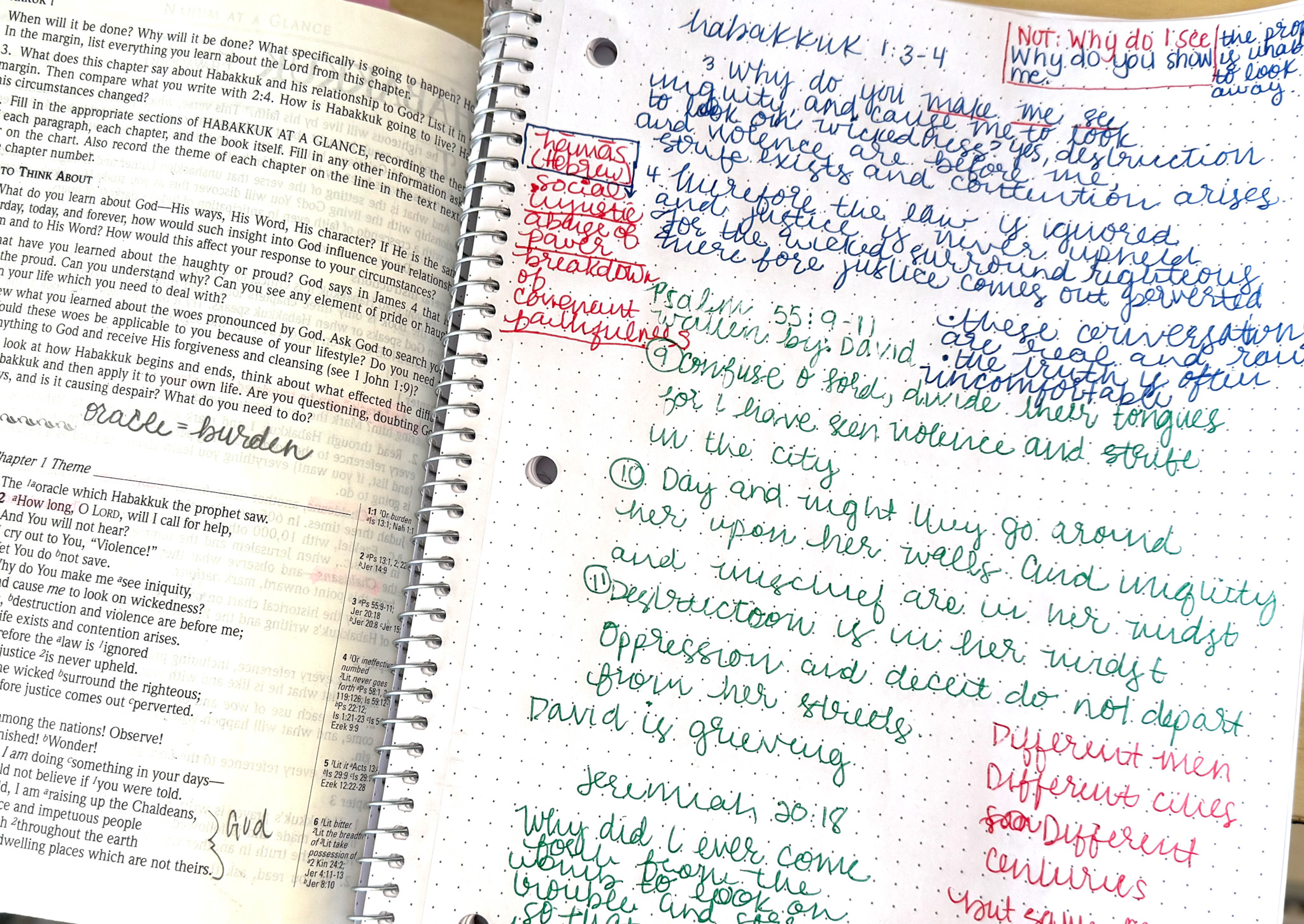
  • Book of Habakkuk – Day 3: Why Do You Make Me See?

    Book of Habakkuk – Day 3: Why Do You Make Me See?

    Seeing What Hurts: Habakkuk, Suffering, and the Prayers God Doesn’t Answer the Easy Way

    I have been studying Habakkuk. On the first day, I studied Chapter 1, and now I am going through it verse by verse, one day at a time—not religiously, just when life allows for the quiet.

    If you want to catch up to today, you can click here for Day 1 and here for Day 2.

    Today I sat with Habakkuk 1:2–4, and what struck me most was not the harshness of the words, but the selflessness of the prayer.

    Habakkuk isn’t starving.
    He isn’t imprisoned.
    He isn’t begging for personal relief.

    He’s asking God a question that hurts precisely because it isn’t about him:

    Why do You make me see iniquity,
    and why do You look upon wrongdoing?
    Destruction and violence are before me;
    strife and contention arise.

    Therefore the law is paralyzed,
    and justice never goes forth.
    For the wicked surround the righteous;
    therefore justice goes forth perverted.

    The “violence” Habakkuk describes isn’t just physical harm. It’s corruption, injustice—systems that crush people, courts that fail, and power that protects the wrong people.

    Side note: The Hebrew word for this type of violence is ḥāmās.

    Habakkuk isn’t asking God to comfort him.
    He’s asking God to fix a broken world.

    And that is precisely the distinction that stuck out to me.

    Sometimes the hardest suffering isn’t what happens to us; rather, it’s what we’re forced to witness and cannot forget—while being simultaneously unable to control or fix it.


    When witnessing suffering breaks your faith

    I know that feeling.

    On November 1, 2023, I was lying in bed in the dark, with folded hands and a formal reverence for prayer, asking God that my dad’s biopsy would come back negative for cancer. I wasn’t expecting an answer right then.

    Minutes later, at 11 o’clock at night, my dad texted.

    Not because he had gone to the doctor that day.
    Not because we were expecting news at that exact moment.

    But in what could only be described as divine timing, he had randomly checked his patient portal—at the exact time I prayed—and saw the diagnosis: metastatic malignant melanoma.

    He didn’t know what that meant, so I had to call him and explain it.

    The timing felt cruel—surgical, almost too precise.

    I couldn’t understand why God would do that. Why not answer the prayer the easy way? Why not build faith by preventing suffering?

    A couple of weeks later, I checked my dad’s patient portal myself before his appointment and discovered the cancer had invaded every organ in his body except his brain. I was at work. I threw my computer down and cried in my office for three hours. I could have gone home since court was over for the day, but I couldn’t drive.

    I decided not to tell my dad. I would let his doctor explain it—without emotion. I couldn’t be the source of that news. But then my dad texted, “Can you call me and explain this report?”

    The report was written in scientific language. As a medical-malpractice court reporter, I didn’t need a dictionary to understand what it meant. Pulmonary (lungs). Osteo (bones). And more.

    My dad got very sick. He lost over 50 pounds. He was hospitalized multiple times. There were moments when it felt like we were close to losing him.

    He was 57 years old.

    And I struggled—not just with fear, but with trust. God suddenly felt less safe than I had believed.


    Faith that grows in places I never would have chosen

    A year later, my dad went into remission.

    Around that same time, in November 2024, one of my dogs went missing. My dad had flown in from Florida, and we spent the day driving around together in my Jeep looking for her.

    I told him I expected she might be hurt—she had never wandered for that long—but what I needed most was closure. I needed to know she wasn’t suffering somewhere alone.

    The timing of it all felt strange and tender. My dad and I are both dog lovers. He owned her sibling. And we don’t often get long stretches of time like that together—Jeep top down, sunny, seventy-five degrees. It felt like a moment made just for us.

    As we drove, I told him the truth. My faith had shaken during his illness. I felt confused. Angry. Disoriented.

    And he said something I wasn’t expecting.

    He told me his faith had grown during that time.

    Not because he suddenly became religious or started going to church—but because when everything else was stripped away, he had to believe God was real. He had to trust God with his life, whether he lived or died.

    He said he was thankful for the life he had—even if that season had been the end of it.

    Then he said something quietly confident: that he believed we would find my dog, or at least get the closure I needed.

    He wasn’t wrong.

    We found her. She had been hit by a car.

    It wasn’t the ending I wanted—but it was the one I needed. No imagining. No wondering whether she was suffering somewhere unseen.

    I got to grieve what actually happened, not what my fear invented.


    The prayer I didn’t know I was praying

    Looking back, I don’t think God ignored my prayer about my dad.

    I think He answered a deeper one.

    If God had prevented my dad’s illness, my dad would have missed something essential—something his soul needed for the rest of his life. A kind of faith that only grows when there’s nothing left to hold onto.

    That’s hard to admit, because it means beneath my prayer for healing was something else:

    God, don’t let this cost him anything.
    God, don’t let his faith have to grow this way.

    I didn’t mean that—but that’s what the prayer amounted to.


    Why Habakkuk feels so personal now

    Habakkuk’s prayer isn’t about personal suffering. It’s about the pain of watching others suffer while knowing God could intervene.

    That kind of pain is deeply emotional. Deeply moral.

    Sometimes witnessing suffering is harder than suffering itself.

    Habakkuk teaches me that it’s okay to say that out loud to God—because it’s honesty. It’s a relationship. Not some ironed-out Christian dialogue.

    The Bible doesn’t shame that kind of prayer.
    It preserves it. It even highlights it in Jeremiah and the Psalms.

    And that tells me something important.

    God would rather have our raw, confused, aching prayers than our polished silence.


    Where I land (for now)

    I don’t have a tidy conclusion.

    Habakkuk doesn’t either—at least not yet in 1:1–4.

    What I know is this:

    God doesn’t always do the easy thing.
    But He doesn’t waste suffering—especially the kind that grows faith, compassion, and truth.

    And sometimes the prayer God answers isn’t the one we knew how to pray.

    But it is the one our hearts needed all along.
  • Habakkuk — Day 2: “How Long?”

    1 The oracle that Habakkuk the prophet saw.

    The Prophet Complains

    2 LORD, how long will I call for help and you not listen?
    I cry out to you, “Violence!”
    but you don’t deliver us.


    Yesterday I read the book of Habakkuk. Today, I went back to slow down and study just the first two verses. Here are a few things that stood out to me.

    • I think sometimes, when things get hard, we assume it’s faith that gets lost. At first glance, that might look like what’s happening here. But when I look closer—when I read this with a magnifying glass instead of skimming the question as a whole—it tells a different story.
      • Habakkuk says, “How long…”
        And those two words actually signal the opposite of a lack of faith:
        • How long means he believes God can and will act.
        • It also means he has asked before, which signals endurance rather than abandonment.
        • He assumes God should hear and can save, and that the frustration exists only because he believes God is who He says He is.
          (See Psalm 13 and Psalm 22.)
    • This is a deeply vulnerable conversation with God. It separates “God, if you’re up there…” from “God, I know You’re there, and I don’t understand this.”
    • The word “violence” (ḥāmās in Hebrew) reflects social collapse, not isolated crime. This isn’t about one bad moment; it’s about a system full of moral collapse.

    Habakkuk is frustrated because he believes. That’s what separates his cry from unbelief. He can’t reconcile who he knows God to be with the fact that God is allowing this collapse.

    Habakkuk is waiting.
    Not patiently, but honestly.
    And he’s waiting for God in a raw, spiritual way.

  • Dear Abigail: Belonging and Being Left Out

    Dear Abigail: Belonging and Being Left Out

    Dear Abigail,

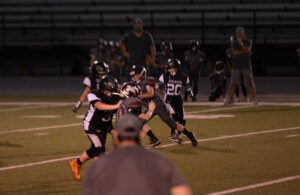
    Yesterday, on the drive home, you said something that has stayed with me ever since.
    You told me the girl you played with gets left out at her school, too.

    I felt relieved that you realized you weren’t alone.
    And sadness that you already know what that feeling is.

    Being left out hurts. Anyone who tells you otherwise is lying or numb. I want you to know that I see it, I feel it with you, and I see you.

    I was born and raised in Tampa, Florida. Even though I live here now, this place still feels like a foreign country to me sometimes. I don’t quite fit in, and I stopped trying a long time ago. That was freedom.

    When I was younger, I believed belonging was something you had to earn and you needed it for optics and maybe to feel whole, too. I measured it by who showed up to the parties I hosted, girls’ nights, playdates—the more, the better, I thought.

    But most of the time, I walked away from those events feeling drained and insufficient because a lot of people showed up, and I spent a lot of that time pouring into those cups and before I knew it, I missed time with you at your party, and there were always a couple of parents that I anxiously wondered if I made them feel valued and special enough.  However, as I sit here today, most of those friendships are over, not because of fallout.

    But because most friendships are seasonal. A few last. Most fade when life changes. No one waits for you to catch up to their season—and you shouldn’t wait either.

    When I went back to work after years at home, everything shifted. You kids rode the bus. A nanny helped after school. I had less time. Your dad and I had less margin. And friendships took a back seat.

    People formed bonds that didn’t include me, and that hurt at first. I won’t pretend otherwise. But eventually, I realized something important: friendships are mutual. They’re not just about being included; they’re about giving—your time, energy, and presence.

    And I only have so much of that.

    When you’re a giver—and you are, just like me—you have to be careful where you sit. You can only share so many meals, listen to so many problems, give so much of yourself before something important at home starts to feel the loss.

    Time is your most valuable currency. Anyone you spend it on should be worth missing out on a piece of your own life.

    I want you to know this early: fitting in is never just a gain—it always comes with a cost.

    People will invite you to tables that look full but leave you empty. Others will walk away without explanation. That doesn’t mean there’s something wrong with you. It means they weren’t your people for this season—or any season that matters.

    The world is full of people. When one person walks away, others will come. But not all of them deserve your investment or your heart.

    So don’t measure your worth by who includes you.
    Measure it by who is worth including you.

    So choose carefully.
    Protect your time.
    And never trade who you are just to feel like you belong.
    Love,
    Mom

    P.S. If you’re reading this and you’ve ever felt left out, know you’re not alone. I’d love to hear your story in the comments below.

  • Habakkuk 1: Day 1

    Why does God let his people fall sometimes?

    2025 was rough.
    Not in a dramatic way, but in the small ways no one sees. The kind where you drift further from where you want to be in inches instead of yards. Then one day you look up and wonder how you landed here. It’s never the big decisions that change where you end up. It’s the micro-movements; keeping your head down, watching your feet instead of looking forward, tracking the next step without making sure it actually leads where you want to go.

    Today, I started the Book of Habakkuk. I chose it because it’s different. You don’t hear it referenced often in church, and no one names their child Habakkuk, but it’s thought-provoking.

    In this book, Habakkuk asks God why He allows evil to exist. In this context, he’s referring to the Chaldeans—another name for the Babylonians.

    They are wreaking havoc in Judah, corrupting God’s people, and their siege is only rising. Habakkuk confronts God.

    He wants to know why God seems silent while injustice spreads—and why God would allow His own people to fall so far before intervening.

    If I’m being brutally honest, sometimes I ask God the same questions while looking in the mirror. I’m not evil, but sometimes I lose my character, or at least the person I strive to be. It will be interesting to see how God responds as I read further.

    If you’d like to slow down and look more closely at the text, you can read my reflections on verses 1–2 here.

  • When Christmas Is Split in Two

    When Christmas Is Split in Two


    Protecting the Heart of a Child During the Holidays

    This morning I looked at my youngest son.

    He is adopted, and he knows he has another mommy out there somewhere. He doesn’t know the complex parts yet. He doesn’t understand how he didn’t start out as mine—how we used to meet his mom for the holidays at the DHS office, or how, when we pulled into that parking lot, he would kick his feet with excitement to see her. The first time he did that he was about a year old. I remember being floored. He couldn’t talk yet, but he knew. Honestly, that’s when I knew I couldn’t ever be dishonest about adoption.

    He was innately hers from the start. And truthfully, I know he always will be in some way.

    During those days, I stayed quiet. I couldn’t tell which way our case would go, and I so desperately wanted to be part of Kaleb’s life if he went home with her. Even on the days I wished she would be healed, try harder—or even step away so we wouldn’t be left in limbo—I chose silence.

    Now, years past that chapter of his life, I remind Kaleb only of how much his mom loved him—and how much I loved her too. I didn’t love every choice she made, but the one that mattered most to me was the day she chose to bring my son into this world, knowing full well she would struggle to care for him.

    That is what I tell Kaleb about her.

    Because I remember Christmas when I was little.

    When you are a child of divorced or absent parents, the holidays can be especially hard.

    Even as a grown adult and a court reporter, the most difficult part of domestic relations cases was always the Judge’s ruling—because from that moment forward, a child would no longer wake up to both mom and dad. And we were the ones making that final, in court.

    Maybe it’s a childhood wound of mine, but I carry deep empathy for the children—and parents—who navigate this season every year. Only one parent gets the glimpses of Christmas morning: the jaw-dropping expressions when a child sees a half-empty glass of milk, cookies gone, and carrots vanished.

    Yes, this is survivable.
    But as a biological child, stepchild, foster mom, and adoptive parent, I can tell you this plainly:

    One of the fastest ways to damage a child’s holiday is to make the custody agreement about yourself.

    When you are the primary parent, you carry an immense load. But unless you have been the child at the center of a custody agreement, it is impossible to fully understand the pain a child carries when a parent is absent during the holidays.

    I don’t believe two people who cannot be together should stay together “for the kids.” That doesn’t create a happy childhood either. But I do believe the sacrifices you make for your children should be silent ones.

    It’s tempting to explain all the ways the other parent has failed—and all the ways you’ve stepped in to fill the gap. But think back to high school, when someone you cared about walked away. You probably carried the blame, even if it had nothing to do with you.

    Children do the same thing—quietly, artlessly.

    When they hear negative talk about a parent, they don’t process it as truth about the adult. They internalize it as something lacking in themselves. Being asked to listen to slander about a biological parent is like being asked to gossip about the one person they feel an uncontrollable devotion and loyalty toward.

    I would argue that sometimes this devotion runs even deeper than parent-to-child. Adults have ways to justify betrayal. Children don’t. For them, loyalty is black and white.

    What’s worse is that many children won’t stop you—or tell you how much it hurts—because the same loyalty they feel toward the absent parent, they feel toward you too.

    So if you’re carrying the load this Christmas—buying the presents, filling the stockings hung by the chimney, setting out cookies for Santa—you are pouring love on behalf of two parents. That matters. And I see you.

    But don’t try to collect recognition early by reminding a child of all the ways their biological parent didn’t show up.

    I’ve had foster children whose parents hadn’t shown up in years, and they were still waiting, still hoping, still loving them. A child’s love for neglectful—or even abusive—parents mirrors the story of the prodigal son: unfathomable forgiveness, longing, and purity of heart (Luke 15:11–32).

    If you ever wonder whether the world sees you, know this: we do. Most people don’t say anything because the world is trained to speak more on injustice than on awe.

    But the mark you’re imprinting doesn’t show up right away.
    It shows up in adulthood.

    Children grow up and they remember who didn’t unload the burden of an absent parent onto them. Who carried the weight quietly. Who loved in the shadows without needing to be seen.

    And when they realize that, they show up at your door for the holidays—not out of obligation, but because they want to.

    Because when there was an empty, aching space in their heart, you didn’t shine a spotlight on it. Your quiet integrity rested like a gentle hand on the wound—steady and protective—holding the pain long enough for healing to begin.

  • Motivated by Heart, Not Hype

    My Annual Social Media Hiatus

    My annual social-media hiatus started a couple of days ago.

    Nothing sends a jolt through your spine quite like the empty space that surrounds you once you step away from a crowded feed.

    I do it every year, and it never fails to leave me disoriented for a day or two.
    My fingers still reach for my phone; my thumb still swipes for the app that no longer holds my account.
    My heart sinks for a moment as I remember that now I show up on a stage without an audience.

    Now, I do kind things for one person—
    not a sea of validators (pretty sure I just made up that word).


    Love in the dark.
    Success in the dark.
    Memories in the dark.


    Still, I feel the impulse to leave each year because if I don’t, I start to wonder:

    • Would I show up for my kids without an audience?
    • Would I still be the wife I strive to be if it weren’t broadcast?
    • Am I still real—does my heart still beat in rhythm with what I claim when it isn’t witnessed?

    The only way to know for sure is to step back and do these things without the addictive, instant gratification of a tap on someone else’s phone.

    There’s a part of me that likes to perform. (If we’re honest, I think we all do.)
    But sometimes we try so hard to be noticed that we forget what it feels like to be known.

    We keep watching each other perform perfection, and slowly there’s less room for honesty.
    Normal gets twisted into wrong, and fake becomes gospel.
    Then we start changing who we are in person just to match who we pretend to be online—
    and before we know it, love itself becomes performance art.

    I suppose some people can do both—show up online and still live with heart in the dark.
    But for me, every now and then, I need to double-check that I still know the woman inside—
    and that she’s still motivated by heart, not hype.

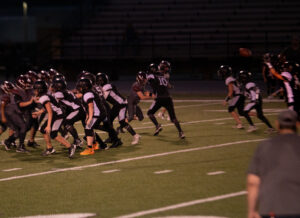
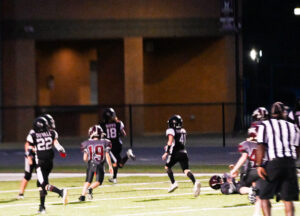
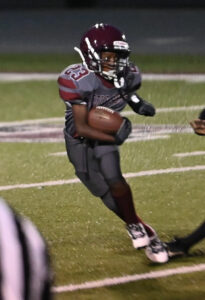
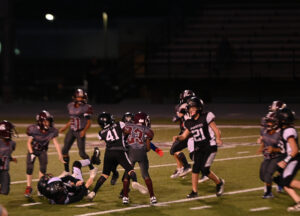
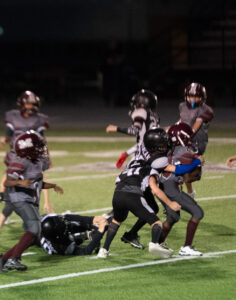
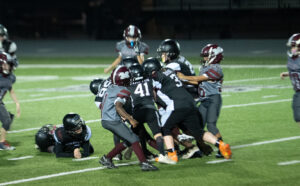
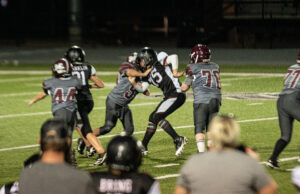
  • Pirate Football 10-18

    Pirate Football 10-18

    Saturday Morning Switch-Up: Worth Every Mile

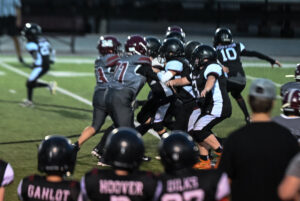
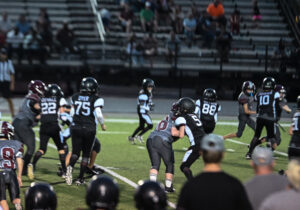
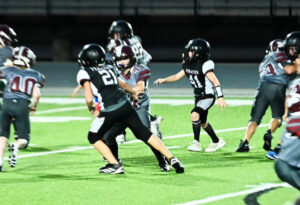
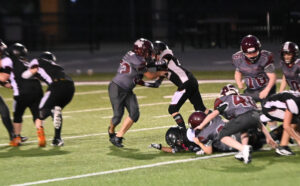
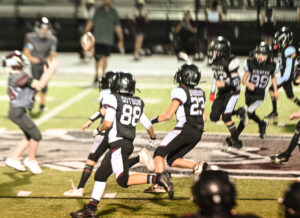
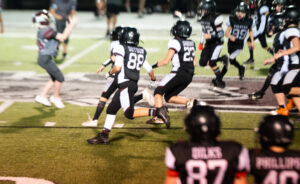
    What started as a last-minute schedule change turned into a Saturday we won’t forget. Originally planned for Saturday night alongside Pee-Wee Night, the game was bumped to Saturday morning due to weather. The location changed too—moved to Morrilton, a 30-minute drive from Dover.

    But let me tell you—every minute on the road was worth it.

    The Pirates showed up with grit, heart, and raw talent. From the first whistle to the final down, they played like they had something to prove. And they walked away with exactly what they came for: the win.

    If you weren’t there to see it unfold, don’t worry—I brought my camera.

    Click the link below to step into the highlights, one frame at a time. 📸🏈

    Pirate Football 10-18

  • Before the Roosters Crow: A Morning Gratitude Reflection

    Before the Roosters Crow: A Morning Gratitude Reflection

    Clarity when life is chaotic

    Sometimes a thankful heart doesn’t come from the mundane itself, but from noticing it before the world wakes up. These are the small hours where gratitude feels louder than worry, and where the ordinary starts to look extra.


    I’m up before the roosters crow. I know that for two reasons: first, we got a rooster over the weekend and he’s silent right now. Second, it’s still pitch dark outside.

    This is the space in time where warm coffee and I meet. When I show up late, I get her twin sister — cold coffee. I like warm coffee because that means I also have time to write my morning gratitude reflection.

    We celebrated Abby’s eleventh birthday over the weekend. Just a quaint one with our little family.

    She was really excited. We got her an iphone, but I wrapped it in a huge box. We totally fooled her.

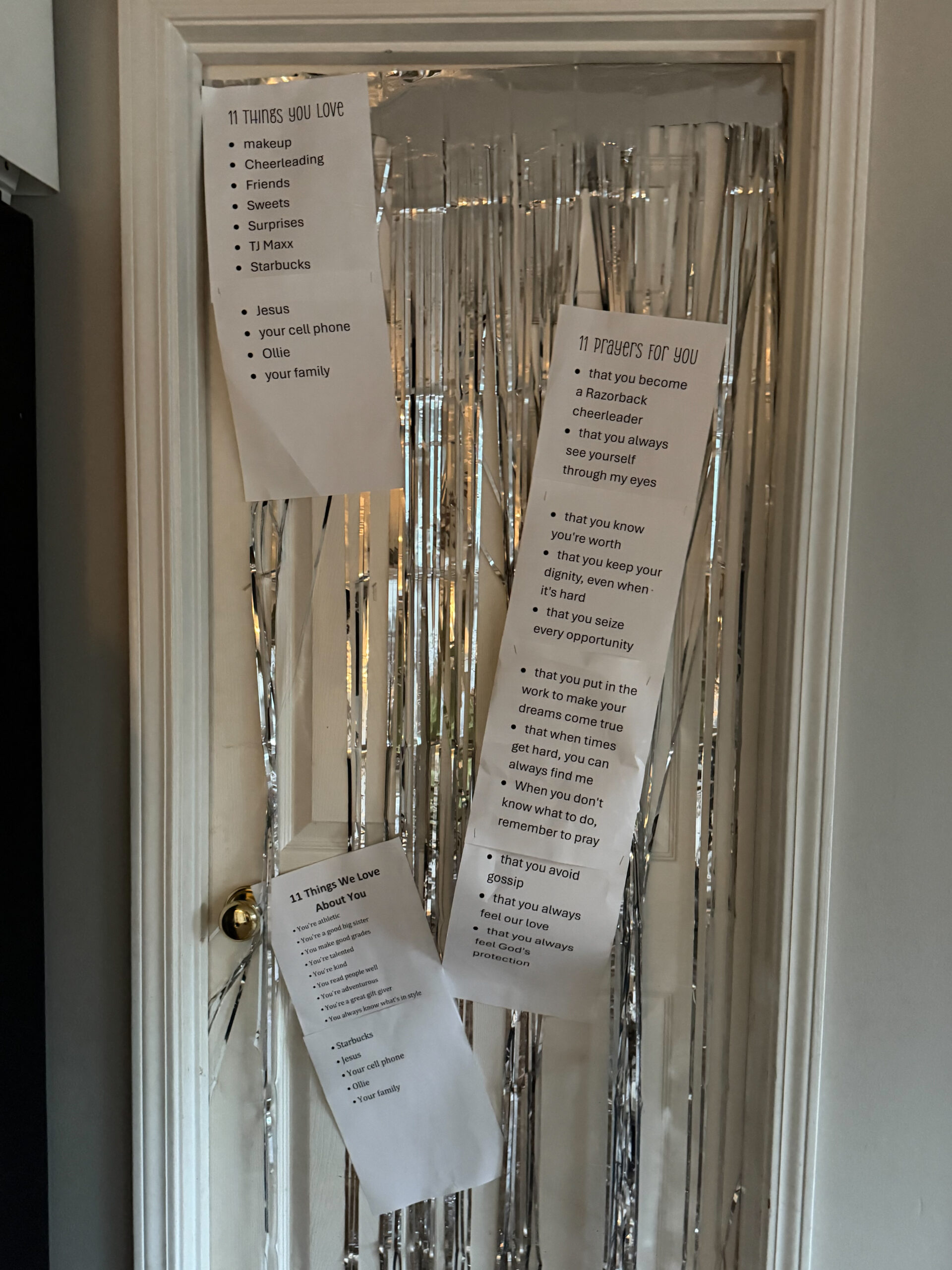
    If you are looking for a tradition to do on your child’s birthday, I started decorating their door in the wee hours of the night before their birthday, so they wake up feeling special. I make three lists, and I keep my lists the same each year: # of prayers for you, # of your favorite things, and # of our favorite things about you. The number of items depends on the number of years they have been born. So since it was Abby’s 11th birthday, she had 11 items under each list.

    Here it is. Simple, yet affirming.


    It amazes me how small things, like a child’s birthday, can change the entire lens through which you see each day.

    I fall down rabbit holes sometimes — a Facebook post about a mom fighting for her life, or a young father who passed away — and suddenly, eleven years doesn’t seem like time stolen. It feels like currency I didn’t earn.

    I’m no better than anyone else, so why do I get to wake up today with a warm cup of coffee, healthy kids, and an ordinary list of tasks? I don’t know, but I sat with that for a minute….

    The thought evokes a strong sense of both unworthiness and gratitude. Do you ever think about that simple yet deep comfort some of us wake up to every day, like our health? I don’t say that with any kind insult, but more just a relief that I remembered today that time hasn’t been stolen from me; rather, it’s been generously shared with me, and why God is so good, I will never know why.

    But for now, I get to enjoy the mundane — because life hasn’t thrown any unforeseen strikes. Yet.

  • Pirates Football Game 9-20

    Saturday night under the lights felt like one of those evenings where the whole town (out of town, that is) breathes in rhythm. Cheering together. For a moment, we all want the same thing…. A win for the away team.

    Somewhere behind me, I heard someone say, “We’ve got a great defense.” And they weren’t wrong — the Dover Pirates showed up, dug deep, stood strong, and walked away with a victory over the Morrilton Devil Dogs.

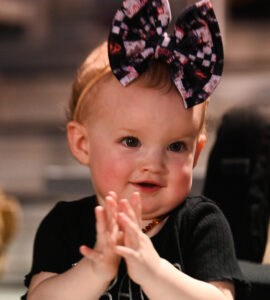
    But for me, the night wasn’t only about the scoreboard. I sat shoulder to shoulder with a baby who wasn’t even a year old yet — she stole my heart, and for a few minutes, the face of my lens. And then, looking forward, my own daughter, Abigail, stood at the edge of the field, cheering her heart out. The contrast hit me like a gut punch. She’s nearly eleven now. The space between one and eleven is only two handfuls of years — but it’s also a decade already spent. A bank account that only decreases.

    And that thought will stop you cold. It reminded me of all the “lasts” I’ve already tucked away without noticing:

    • The last crawl
    • The last diaper
    • The last bath
    • The last sippy cup
    • The last car seat ride
    • The last “first” word
    • The last night she crawled in bed, scared
    • The last, “Mommy, mommy

    and the list goes on…….

    The eyes of that baby felt like standing at the edge of a cliff called time.

    Nights like these are reminders. We only get so many evenings where the lights blaze down on the field, where our children perform for us, where their voices and ours echo together. Where we leave in the same car and stuff our faces sharing the same meal. Last night was proof that life moves fast — even when it tricks us into believing our days are long.
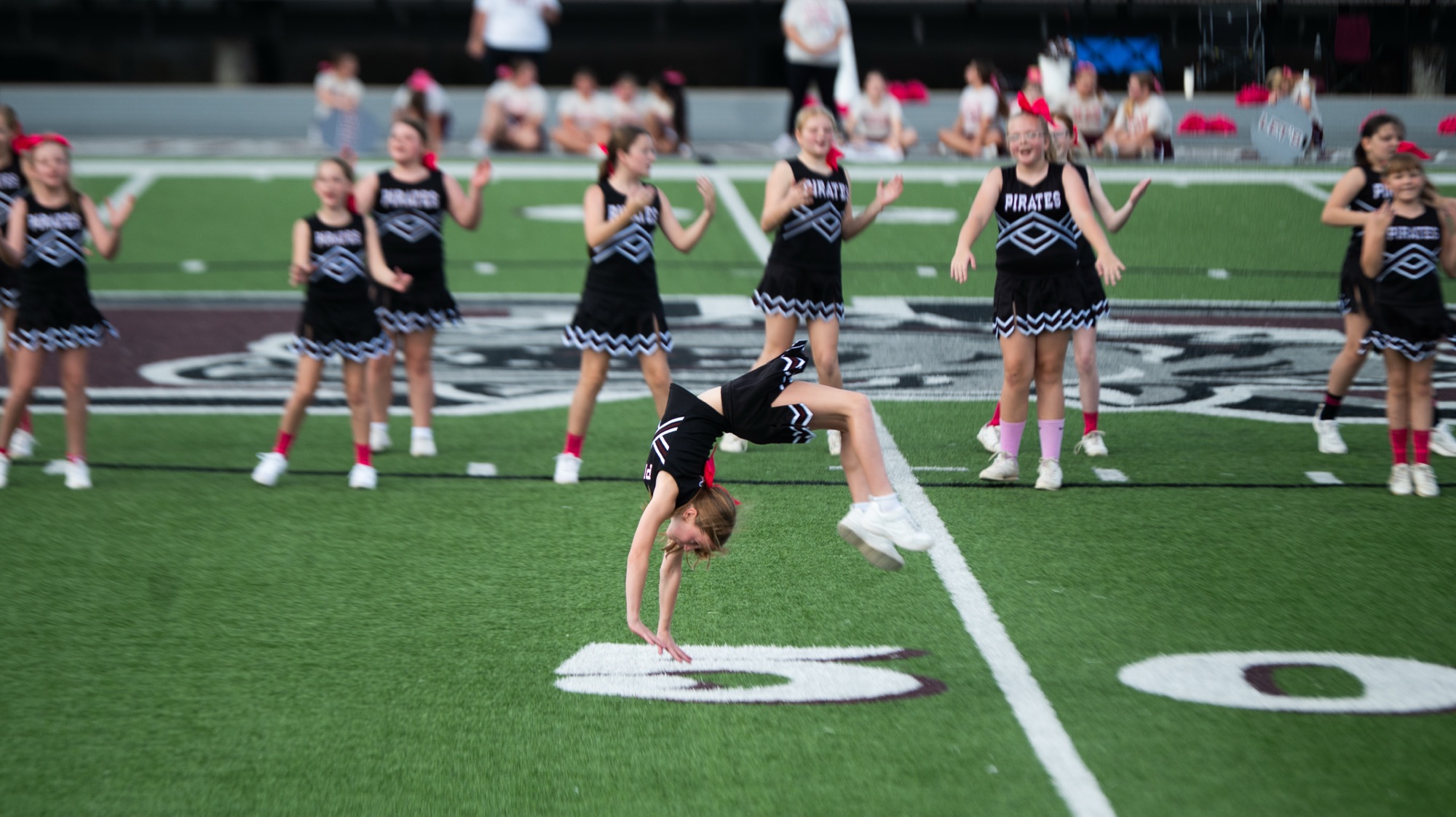
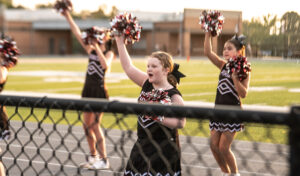
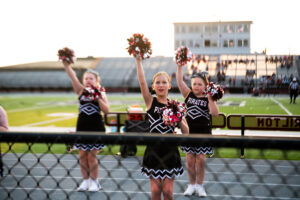
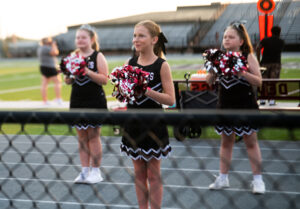
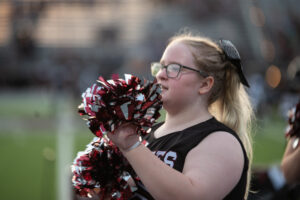
    Here are some of those moments, frozen in time — the grit of our defense, the strength of our boys, the cheers of our girls, and the sweetness of faces I’ll carry with me long after the final whistle blows and I pack up my camera on a football field as a cheerleader mom for the last time.

  • Dignity Over Revenge: When Silence Speaks Louder Than Betrayal

    Dignity Over Revenge: When Silence Speaks Louder Than Betrayal

    Author’s Note:
    Sometimes, it’s tempting to pull the rabbit from the hat and let the whole world watch the narrative unravel.
    To say, “Here’s what really happened.”
    To set fire to the false accusations—
    and watch her abuse power and then scramble.
    But I didn’t.
    Not because I couldn’t.
    Because I wouldn’t.
    Checkmate was an option.
    But I chose mercy instead.
    Some play checkers.
    The smart ones play with restraint.


    I was thinking about my first big betrayal the other day.
    Not the obvious kind—
    But the kind that shows up in pearls and a polished smile.
    The kind that plays dress-up as integrity.
    The kind that doesn’t stab you in the back…
    It hands you the knife,
    Points to your chest,
    And calls the crowd to watch you bleed.

    That’s the kind that leaves the deepest cuts.
    The ones that don’t gush blood all at once.
    They just…
    stay open.
    Forever stinging,
    long after they’ve dried.

    The first time it happened to me, I was in high school.

    She was a friend with strict parents,
    and we had a Halloween party at work.
    She asked if she could sleep over. I said yes—
    Excited because she was one of my best friends, so I thought.

    We were underage. The rules were clear.
    No alcohol.

    But we made plans anyway.
    We found someone to bring beer.
    We schemed like rebels,
    and when the time came,
    I stood under a streetlight, in the dark (literally and figuratively)
    and chugged a warm Bud Light in the parking lot.

    It wasn’t even good.
    It was gritty and bitter and burned going down.
    She stood beside me but never lifted the can.
    She watched me drink it.
    Then pocketed that moment like an exhibit waiting for court.

    Later, when I grabbed my keys to leave,
    she looked at me—loud and holy—and announced:
    “I’m not getting in the car with someone who’s been drinking.”

    In front of everyone.
    Like a girl on a pulpit, saving her own soul.
    Like she didn’t come out to that parking lot too.
    Like she hadn’t planned the whole thing with me.
    Like she wasn’t about to stay the night with a man twice her age.

    I didn’t know it yet,
    but I had just become her scapegoat.

    My boss pulled me aside,
    told me he should fire me, but he didn’t.
    But he said I couldn’t drive home.
    Which meant waking up my parents,
    admitting I drank,
    and unraveling trust.

    But someone I knew—someone with clear eyes—
    offered to drive me.
    And when we got outside,
    he just looked at me and said,
    “Felecia, I know what kind of girl she is.
    And I know you only had one drink.
    You’re fine. I just wanted to give you a way out.”

    He gave me back my dignity.
    And I drove myself home.

    The next day I wanted to go to war.
    I wanted to find her in the hallway and light her up.
    And I tried.
    But a teacher stepped in.

    And I told my mom.
    And I wanted—desperately—to tell her parents too.
    To rip off the mask.

    Unravel her narrative of blame 

    Unravel her narrative
    The one that she spun
    Avoiding the mirror of shame
    The one who rightly reflects the blame.
    I wanted to say, “She didn’t sleep at my house.
    She slept with a grown man.
    And she used me as cover.”

    But I didn’t.
    And I still don’t know why.

    Because the truth is:
    you can burn someone’s life down with the truth.
    But if you torch your own peace in the process—
    was it worth it?

    Maybe I could’ve humiliated her.
    Maybe I should have.
    But that kind of revenge costs something.
    And I don’t pay for peace with my character.
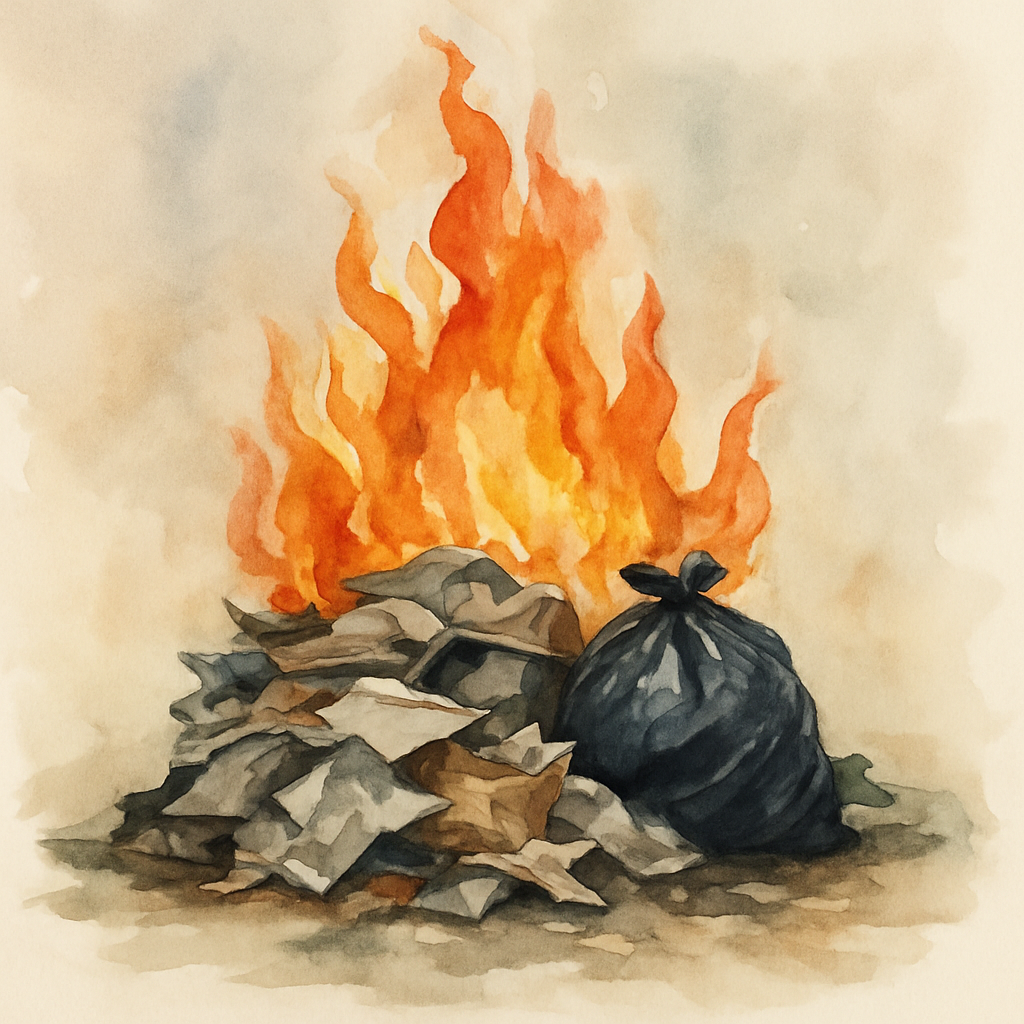
    Sometimes you’ve got a match in your hand
    and a bonfire of garbage behind you.
    But lighting it would just make the whole street smell.

    So you drop the match.
    And walk.

    Years later, I realize:
    I’m still that girl.

    Imperfect.
    Yes.
    But loyal to the core to the vault I vow to be.
    And that’s what silence proves.
    It says: I’m not afraid to leave your truth standing next to mine.

    Because that night?
    I chugged one beer.
    She slept with a man twice her age who had a girlfriend.
    (The girlfriend, by the way, didn’t leave him over her.
    She left him because of another girl he cheated with.)

    So tell me—
    Which one of us woke up the next day still feeling whole?

    She put on a show for our boss,
    but he found out the next day what really happened.
    That his manager slept with a minor employee.
    Her reputation?
    Scorched earth.
    And she couldn’t even blame me.

    That’s the thing about dignity:
    it isn’t just about who you are in the dark.
    It’s about who you refuse to become
    when someone hands you the lighter
    and begs you to burn.

    When you set trash on fire,
    everyone smells it,
    and they know where it came from.

    But if you vault it—
    and let it rot quietly—
    someday it might just become compost.

    Will they think they won?
    Maybe. For a minute.

    But when they go home and face the mirror,
    they have to live with what they are.
    And what they are
    isn’t brave.
    It’s petty.

    And the woman they tried to shame?
    She looks in the mirror and sees silence.

    Powerful, screaming silence—
    the kind that doesn’t owe anyone a headline,
    but could still write one if she wanted to.

    This story stayed in my back pocket.
    I never needed to use it.
    But now?

    Now, it reminds me:

    I’ve walked away twice
    when I could’ve blown the whole thing up.
    I didn’t.

    Not because I couldn’t.
    Because I wouldn’t.

    That’s not weakness.
    That’s restraint.

    You blow me up?

    and I walk away anyway.

    And that trash?
    Still vaulted.
    Still untouched.

    But it’s composting beautifully.