Author: Felecia J

  • Matthew 18:20

    Matthew 18:20

    Where Two or Three Are Watching Matthew 18:20

    Matthew 18:20, Misused in the Age of Public Shame

    “For where two or three gather in my name, there am I with them.” – Matthew 18:20

    I came into my office to paint, and I couldn’t help but put the tips of my fingers on the surface of my voice again. Sometimes when I write, I don’t share it. It just stays here, on this blog. And I trust that the ones who need it will find it.

    When I was little, a church bus used to pick us up.
    You don’t see that much anymore.
    But that’s how I got to church as a little girl.

    As I got older, church came in and out of my life.
    Marriage brought me back to it more consistently.
    Before I had kids, I served in the nursery.
    Later, I worked with youth.
    Then three years into marriage, I had a baby—and stepped away from ministry.
    But I stayed connected through Bible study.

    The first book I ever studied? Matthew.
    One of the most quoted verses in the faith community?

    “Where two or three are gathered in my name, there am I with them.”

    We use it to bring comfort. To spiritualize group prayer. To wrap God in a warm blanket and invite Him into whatever space we’re sitting in.
    And I do believe He shows up when we need Him.

    But Bible study doesn’t let you stop at one verse.
    You have to read the whole chapter.
    You have to sit with the context.

    That verse?
    It’s not about comfort.
    It’s a manual for confronting sin.

    Matthew 18:15–17 (ESV):

    15 “If your brother sins against you, go and tell him his fault, between you and him alone. If he listens to you, you have gained your brother.
    16 But if he does not listen, take one or two others along with you, that every charge may be established by the evidence of two or three witnesses.
    17 If he refuses to listen to them, tell it to the church. And if he refuses to listen even to the church, let him be to you as a Gentile and a tax collector.”

    Christians are all over Facebook, publicly proclaiming sin—louder than the kindergartners tattling in a classroom.
    Only this isn’t a classroom.
    Facebook isn’t a teacher.
    It’s a bathroom wall.
    Except we’re not even ashamed enough to sign our graffiti anonymously anymore.
    We call them slut and sign it now.

    Then we show up to church on Sunday, lift our hands in worship, and act like our colorful Facebook pages represent Jesus well.
    But here’s the thing:

    Jesus was clear about sin.
    And He was also clear about how to handle it.

    I didn’t do my first Bible study until I was 25.
    But in the 12 years since, I’ve learned this:

    • God doesn’t need your finger pointed.
    • God doesn’t need your neighbors alerted.
    • God needs your heart aligned.

    Your words reflect your character.
    And self-righteousness?
    It’s its own kind of wickedness.

    The Bible Is Clear (Even for Non-Seminary People Like Me):

    • Confront in private: Have you written him a letter? Have you said, “I’m praying for your repentance”?
    • If that fails, bring a witness: Not to humiliate, but to support accountability.
    • Only then, as a last resort, restore at a public level.

    If you had to wear every word you’ve spoken about someone on your sleeve,
    Would you represent the Jesus who knelt beside the woman caught in adultery?
    Would you represent the One who wrote in the dust while others picked up stones?

    I don’t think most people are mean-spirited.
    I think they compartmentalize.
    They believe fighting for the underdog is noble.
    And sometimes it is.

    But not if it means ignoring Scripture.
    Not if it means humiliating someone publicly before ever speaking to them privately.

    And what if—
    What if the so-called “underdog” still loves the villain in your story?

    Does dragging someone by the collar into public shame restore a marriage?
    Or does it just make you feel better about your own tainted heart?
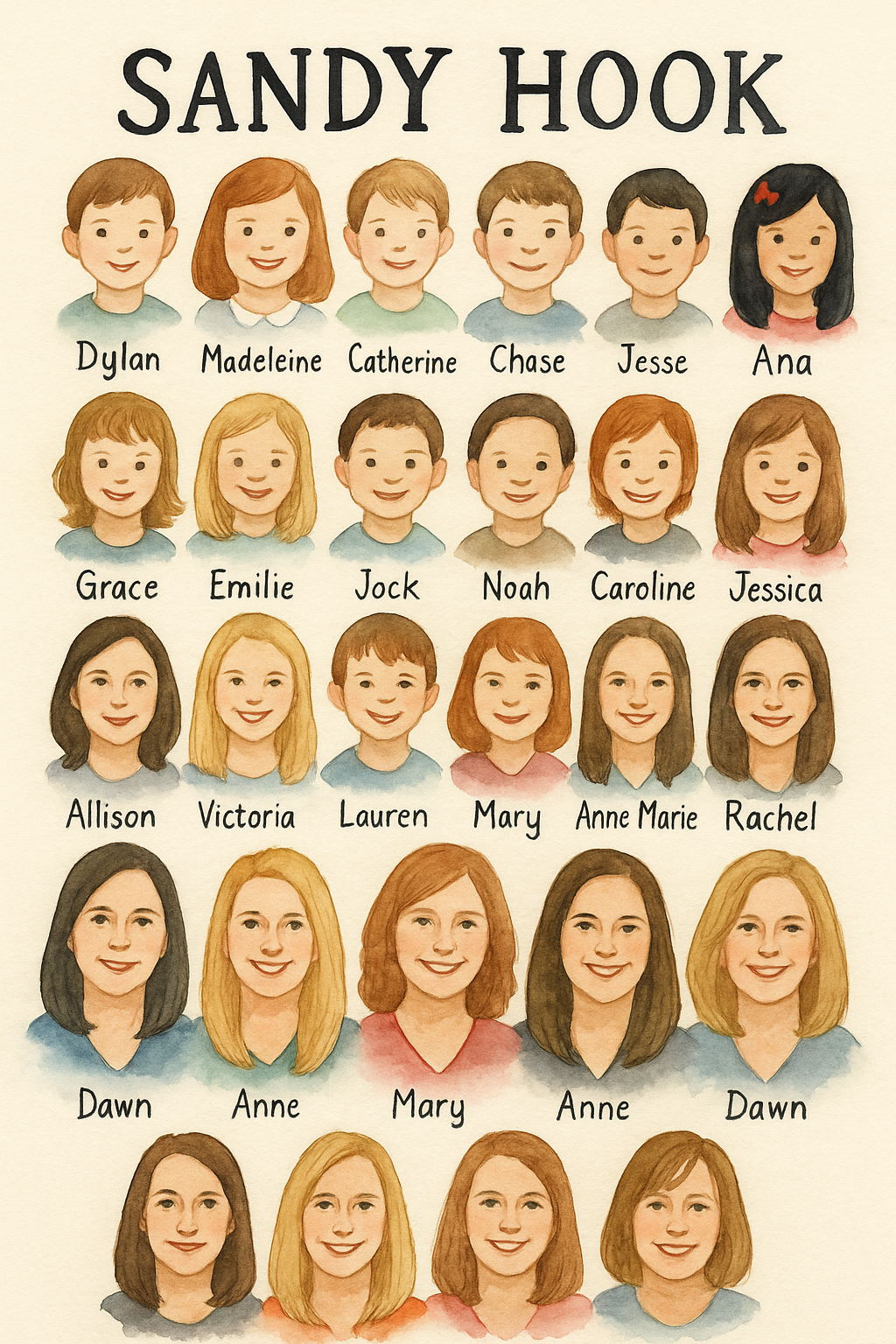
  • The Day My Heart Changed: Remembering Sandy Hook

    The Day My Heart Changed: Remembering Sandy Hook

    Author’s Note:
    The recent tragedy at the youth camp in Texas has been sitting heavy on my heart. As I tried to process it, I found myself thinking about Sandy Hook—something I’ve carried quietly since 2012. I went back to my journal from that week, and this letter is what came from that space.

    To this day, I still can’t listen to Hallelujah without tearing up. My family could tell you—it stops me in my tracks every time. That song became a thread connecting my grief to theirs, even though we’d never met.

    This isn’t for attention. It’s for witness. For remembrance. For the children.
    May we never stop remembering.

    Dear Mom and Dad,

    You don’t know me, and I feel a little silly writing you.
    But I heard a song today, and it brought me back to a day that I know feels like both yesterday and a million years ago to you.

    It was the kind of loss no one expects—
    The kind of grief I’ve wondered for years how you survived.

    On December 14, 2012, I was holding my seven-day-old baby boy.
    I was in my black office chair,
    A Boppy pillow on my lap,
    Exhausted—trying to get a stubborn infant to latch.
    I was scrolling Facebook on my computer when I saw it:
    “Prayers for Sandy Hook.”

    That’s when my heart took a new shape—
    Because part of it broke.
    And that piece—it silently floated to you.
    And that part? It never returned.
    It’s yours now.

    Back then, there was an ocean between me and you—
    But that didn’t stop the ache of knowing you,
    In a way I wish I didn’t,
    Without ever having met you.

    I felt your last kiss goodbye.
    Your rushed morning.
    The goodbye you may have wished you could say—
    If only you had known.

    I watched the lights go out on the earth in front of me, too.
    My heart broke thinking of the presents already wrapped under the tree,
    And the ache of putting away a tree that would never grow up quite right again.

    I held my baby tighter that morning.
    A child in one hand, and grief for you in the other.

    And that grief?
    It took root deep in my soul.
    It’s not something I want to excavate. Ever.

    Maybe that’s why, on long nights—when my soul forgot to remind my patience—
    I held onto the truth:
    Even though his little cry was loud,
    It was a cry that could still be heard.
    And that wasn’t silence.

    Silence is what screams.
    Silence is what soaks the pillow all the way through.
    No more pitter-patter of little feet down the hall.
    No more, “Mommy, I drew this for you.”
    The sound of laughter—once deafening—
    Replaced by floorboard whispers.

    I wondered if your heart broke a little more each day with each creak,
    Each echo that used to be her.
    Does the silence still speak—
    Haunted by the shadow of a giggle?

    Did the time alone that showed up so sparingly on December 13, 2012,
    Walk into your life like an unwelcome guest you didn’t invite?
    The one that makes the clock stop in the worst way—
    And never leaves?

    No backpack to empty anymore.
    One less seat taken in that three-row SUV—
    The one you bought when you found out you were expecting.
    One less face you see through the mirror as you drive.

    The heartbeat that used to sit back there and catch your smile of adoration,
    Who would reciprocate like the loveliest unspoken language
    You never had to learn to understand.

    Days after that awful morning, the Voice coaches sang “Hallelujah.”
    And from that moment on, your children’s gut-wrenching day became the meaning behind the lyrics for me.
    To this day, I weep when that song plays.
    I don’t care if I’m in a store, at the doctor’s office, or home—
    Your children, and your pain, have never stopped being worthy of reverence and remembrance.

    But I am torn.
    I don’t know which type of grief steals the most breath:
    The memory of a small face with the prettiest eyes you’d ever seen,
    Or the missed goodbye?

  • Slow Extraction

    The truth about broadcasting your healing through writing.

    Yesterday, I wrote about the past.
    Each layer of emotional clothing I strip off feels more vulnerable than the last.

    Writing for the public—unlike my private journal—is the opposite of strength training.
    With lifting, the weight stays the same.
    It’s your muscles that grow.
    They adapt.
    They harden.

    But with writing, especially your own truths,
    your courage may grow—
    but so do the emotional stakes.

    Each day, I find another buried trauma
    in the graveyard of my emotional landscape.
    The ghosts rise in the wind and whisper,
    “Are you ready to be honest today?”

    Weights don’t ask you that.
    If you’re not ready to advance,
    you can lift the same bar again.
    You still get to call it progress.

    But here?
    Progress only means one thing:
    digging deeper.

  • The Ones Who Weren’t Chosen By the Right Ones.

    Childhood trauma through the eyes of a girl never chosen by the right ones. Uncle Andrew masquerading as Prince Charming—until the façade cracked wide open.

    Author’s Note

    In The Magician’s Nephew, part of The Chronicles of Narnia, Uncle Andrew is a man who cloaks manipulation in sophistication. He sends children into danger to serve his own curiosity, claiming it’s progress. He doesn’t see himself as evil. No, just above consequence.

    In this poem, Uncle Andrew becomes something more:
    A symbol for those who abuse power behind polished faces.
    A stand-in for the men who take what isn’t theirs, then vanish.
    Only to reappear in different forms, in different years, wearing different disguises.

    This piece reimagines fairy tale tropes through the eyes of a girl who was never chosen, never saved, and forced to build her own survival from what remained.

    If you know, you know.
    If you don’t, well—
    You’re lucky.


    As a little girl,
    As a little girl,
    You hummed sweet lullabies about love—
    But it was the unreachable that thrilled you.
    The quiet rush of slicing through Uncle Andrew’s façade.


    The rush in your heart,
    The chills in your spine,
    Unfolding the skeletons he folded so neatly in his closet.

    You watched the dresses twirl in the spring wind—
    All the chosen Cinderellas in the schoolyard.
    No one came looking for you,
    No matter how many damn times you asked that mirror if you were fair.
    The magic spell the good boys were under—
    You didn’t have the dust.
    It wasn’t meant for you.
    Not even before midnight.

    So you bit the apple of truth,
    Let it rot sweet and slow on your tongue,
    And watched it suffocate your hope—
    Banished to the realm of rotted pumpkins and mice.

    You knew, the moment he took you—
    And the others looked away.
    You kissed the face of evil
    And prayed your lips were poison.

    You were forced to give what wasn’t his,
    And too ashamed to show the blood—
    Soaking the hem of your white dress.

    No fairy dust.
    Just the tears of innocence.
    And blood.

    Maybe it was then you knew—
    No Digory would ever come.
    Uncle Andrew was your fate.

    You ached for love so loudly,
    You forgot how to whisper.
    You didn’t have the courtyard decorum for Prince Charming—
    So you crafted your own.

    His charm swept you off your feet,
    But you already knew what lived behind his ribs.
    Secret-keepers recognize their own—
    Even in the eyes of someone else.

    He gave you the signs,
    Waved the cotton,
    Stained in red—just like your dress.

    You didn’t have a fairy with a wand,
    Just eyes that learned to read lies.
    Like you did
    On the bed,
    When you kissed him goodbye.

    They said it was mercy.
    Closure.
    Forgiveness.

    But you knew:
    Uncle Andrew never left.
    It was the same man, all over again—
    Just back in a different disguise.

    You were just hoping you could change him.

    A broken—but nonetheless—
    Happily ever after.


  • The Unplanned Postpartum Depression

    Author’s Note: This is one of the most emotionally vulnerable things I’ve ever written. It is not a how-to. It is not a resolution. It’s the moment I realized I was still carrying trauma I didn’t choose, and that motherhood had forced me to finally face it. If you are a mother navigating fear, mental health struggles, or inherited pain—this piece is for you. You’re not broken. You’re brave. I pray you find the courage to speak up and get the help you need.


    After I had Matthew and Abigail, I had a startling awakening:

    I wanted to live.

    I’m not entirely sure I was living for anything—or anyone—before them.

    But something about holding a tiny human in your hands,
    Staring up at you with sparkling eyes—
    Eyes that only peek open for now,
    A squint that sends a mother’s heart spiraling with curiosity—
    Curiosity about what’s behind the lens.

    “What are you thinking, Love?”
    I really want to know you.

    But for now, we learn about each other in the quiet:
    My skin brushes yours.
    Your heartbeat thumps against mine.
    The back of your head—
    That baby fuzz that tickles my cheeks in the best way—
    Creating a warmth that only the two of us can feel.

    Smiles become greetings.
    Discontent weeps call me to attention without a word.
    Even my body responds—
    Lactating breasts swelling before I can even get to you.

    But even the most celebrated moments
    Sometimes arrive under a blanket of dark clouds, don’t they?

    I bet if most of us could find the magic wand,
    The one we waved in wonder as children,
    We’d put our most defining moments under a spell—
    A spell of total joy.
    A charming moment to soak it all in, uninterrupted.

    That’s the pain of postpartum depression.
    You waited.
    You anticipated.
    You witnessed a miracle.
    Everyone is smiling—
    But your chest suddenly weighs a thousand pounds.

    This part looks different for everyone.

    For me, it was a moment of elation
    Quickly deflated by a mirror of truth:
    I wasn’t just living for the next breath anymore.

    His face—
    The face that was a perfect mix of his dad and me—
    Proved that I had a purpose here.
    I didn’t just want to be here anymore—
    I needed to be.

    Suddenly, my childhood flashed in front of my eyes.
    It felt like passing out during a house fire—
    Waking up to smoke, coughing.
    Ignorance only lasts for a minute.
    Then you finally understand:
    You better run like hell.

    Flashbacks to a childhood.
    A sick motherhood.
    Breast cancer that didn’t discriminate against 28.
    A nine-year-old wondering why my mom doesn’t have any hair—
    And why all the other moms do.

    Why does my mom cry at night?
    What does she mean when she says they made a mistake?
    What is a swollen milk duct?
    What is a tumor?
    What is medullary carcinoma, stage 3?
    Why is a tumor in the same grade as me?

    Suppression delayed depression.
    Everyone around me is smiling.
    But the house is smoldering.
    And I can’t tell anyone.

    I can’t bring myself to explain:
    All the mammograms I skipped.
    All the tanning beds I charred myself in for vanity.
    All the abnormal test results that came back—
    That I never followed up on.

    The truth is:
    If it’s too late for me…
    It’s too late for the life that depends on me.

    The only answer I had was prayer:

    God, I know you’re up there.
    If you can hear me,
    Please, help me!
    I’m sinking in a silent battle.
    I don’t want to burden anyone,
    But I don’t know how to fight this without alarming everyone.

    I’m processing trauma—
    Trauma that knocked on the door uninvited,
    And I was forced to open it.
    Avoidance won for so long.
    Truth arm wrestles me with the upper hand.

    Where do I put the question marks that frighten me?

    A note of hope:

    Want to know what helped me through the aftermath? Read the post that followed—my tribute to Kara Tippetts, and the power of loving intentionally.


    If this moved you, there’s more like it on the blog. Keep reading. Keep healing.

  • Terminal Denial: Narcissistic Abuse Cycle

    Terminal Denial: Narcissistic Abuse Cycle

    This post is a somewhat poetic version of trauma and explores the Narcissistic Abuse Cycle

    It starts slow.
    Yet steady.
    It grows in the shadows.
    You can’t see it—
    but you feel it tapping on your shoulder.
    I’m here, it whispers.
    I’m wreaking havoc in your bones.
    Destroying your cells.
    It’s the symptom:
    A headache.
    A headache you don’t think about.
    Mostly because you don’t have to.

    It went as fast as it came.
    A twinge in your lower back.
    A self-inflicted injury, you think.

    But then—
    the symptoms show up more often.
    They linger.
    You should probably get them checked.
    But maybe another week will fix it.

    Then one day,
    you wake up,
    and you can’t move your arm.
    You swear just yesterday you were fine.
    But you weren’t.

    The MRI tells the truth.
    You’ve been sick.
    And blind to the small signs.

    Now your suffering screams louder—
    the sound echoing through sand,
    the same sand where you buried your head.

    The cancer has killed so many cells
    that the only cure
    is to kill the healthy ones, too.
    And start anew.


    The Narcissist

    This is where emotional abuse from a narcissist lives—
    and how it works.

    It abuses,
    then it loves,
    then it punishes.

    A cycle so quiet,
    so strategic,
    that recognition feels like betrayal.
    Not of them—
    but of yourself.

    They ignore you for your mistake.
    But they won’t tell you what the mistake was.
    That would give you a chance—
    a chance to do the right thing.
    To be the good person you are.

    And that?
    That’s too dangerous.
    Because the fumes of your virtue
    would suffocate their control.

    They don’t want good relationships.
    Ones that bloom into reciprocity flowers.
    That hurts their tiny, broken shadow of an ego—
    an ego masquerading as self-worth.

    But it’s not.
    It’s emotionally starved.
    So malnourished,
    that even acknowledging your decency
    would flatline it.

    So they come back—
    hoping you didn’t see the slit they cut behind your ribs.

    And if you do bring it up—
    address the symptom?
    You’re a hypochondriac.
    Overdramatic.

    They weaponize amnesia.
    Rewrite the timeline.
    Fuel to rehash the past?
    They’re running on fumes.


    The Cycle

    So back you go.
    To the hamster wheel of ignorance.
    Your feet move.
    Your body tires.
    But you’re getting nowhere.

    And the Narc?
    They keep feeding poison to your emotional health.

    This is their door—
    the one they slam when they’re punishing you.
    But they can’t open it respectfully.
    Respect would kill them.
    Their conceit only survives on scraps.

    So they lurk.
    They wait for you to mistake their absence for punishment—
    when really, it’s a gift.

    They come back,
    not with an apology.
    Not with change.

    But with dinner you bought
    and expect to eat in peace.


    The Treatment

    That’s why you need chemo.

    The healthy cells in you—
    the kind, forgiving ones—
    they want to fix it.
    They want to save what’s broken
    without causing more damage.

    But the malignancy?
    It’s merciless.

    To survive,
    you have to let the good die, too.
    For a while.
    You have to become unrecognizable.

    You’ll look in the mirror—
    hair gone,
    skin dull,
    eyes hollow.

    You won’t see you.
    Because ignoring the pleas,
    resisting the urge to follow breadcrumbs—
    that was never in your DNA.

    But if you want to survive the abuse,
    you have to relinquish the benevolent cells.


    The Recovery

    Your hair will grow back.
    Your skin will glow again.
    And one day,
    so will your love.
    Your trust.
    Your hope.

    But only after you’ve
    banished the part of you that gave a damn
    and starved the toxicant
    of the power it fed on.

  • The Way You Look at Me:  The Unsaid Power of Deep Eye Contact

    The Way You Look at Me: The Unsaid Power of Deep Eye Contact

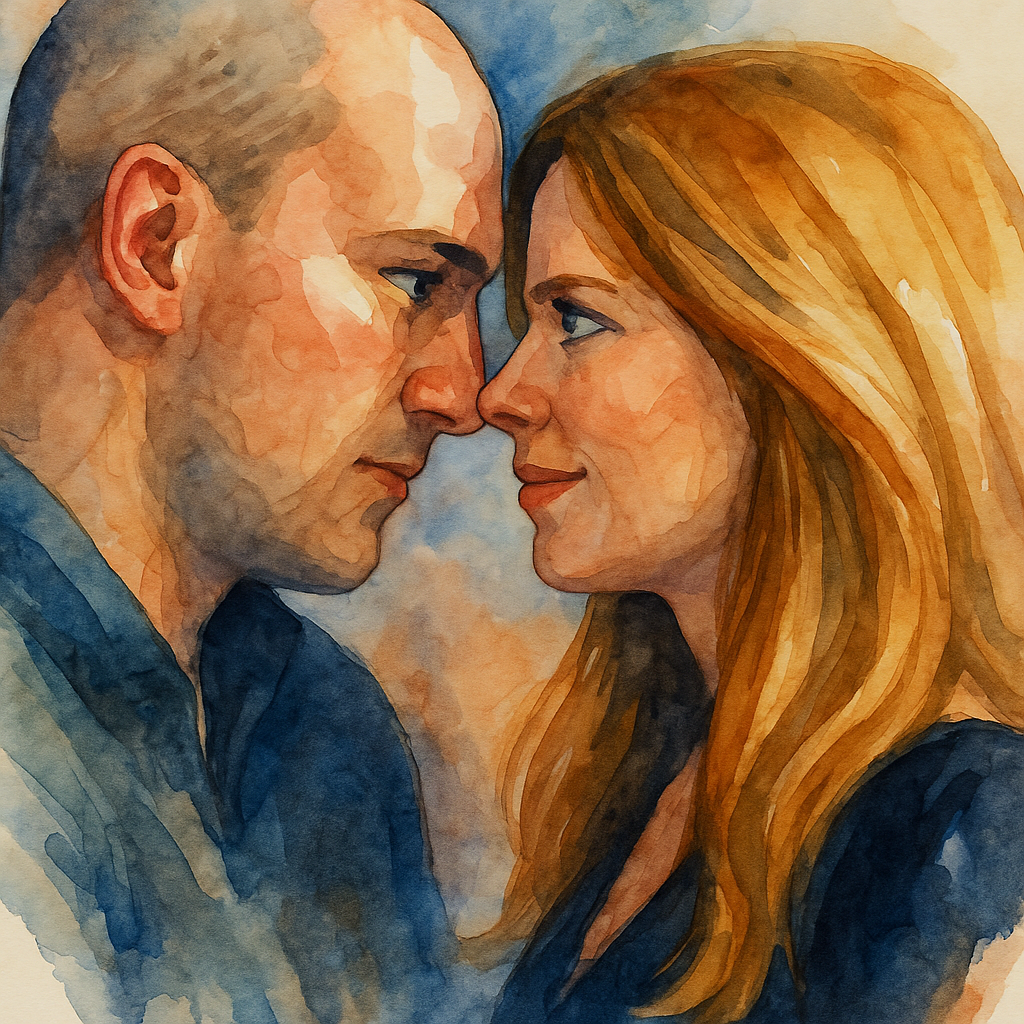
    The Way You Look at Me: The Power of Deep Eye Contact Admitted.

    It’s strange to find a new love language at 37, right?

    It’s not just any stare though.

    It’s the emotional presence in relationships.

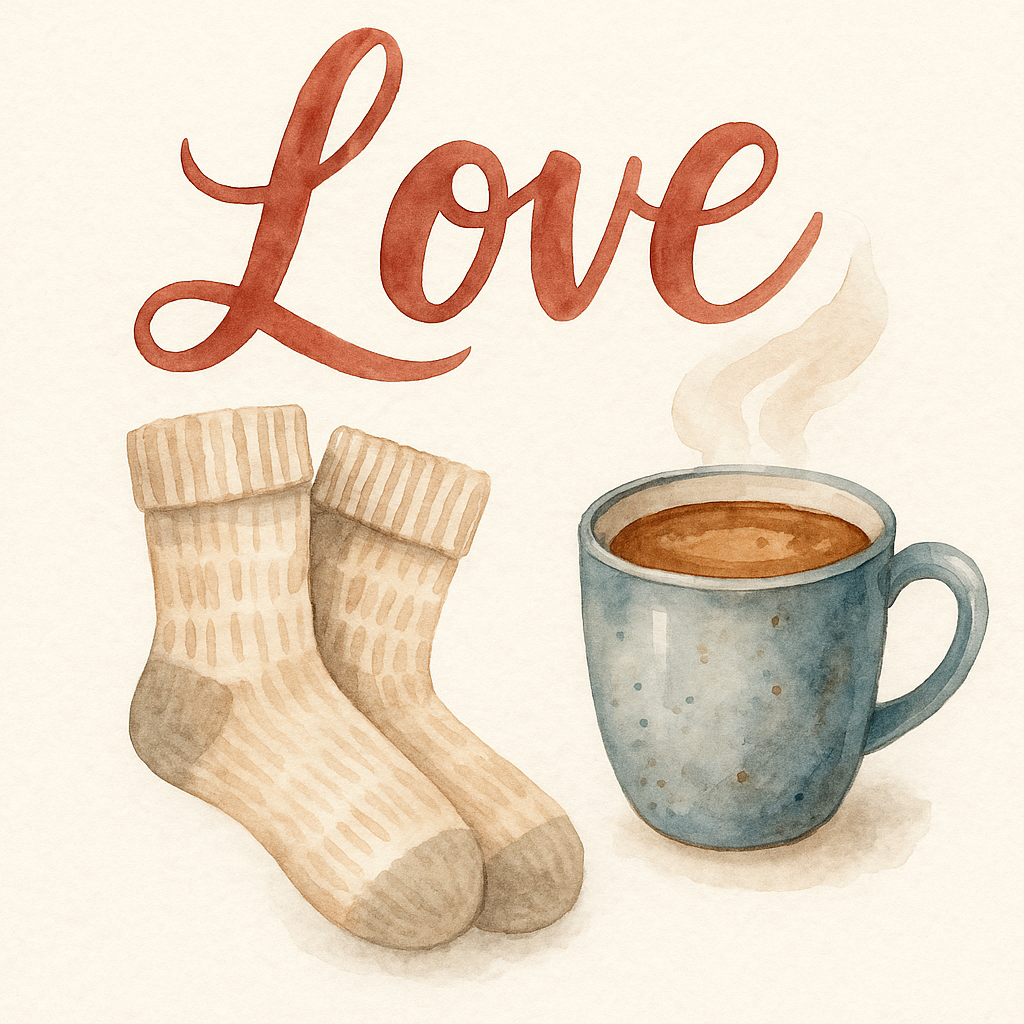
    Wool Socks, Coffee, and Forever: Real Love

    It’s not the kind you toss out of habit.
    It’s not the polite kind.
    The kind that lingers—on purpose.

    The kind that says:
    You still matter here.
    You’re beautiful.
    I see you—and I want to.

    And here’s the part I never expected:
    I’m still discovering what makes me feel pursued.
    I used to think I had it figured out.
    But this?
    This depth—this presence—this quiet, focused gaze…
    It reaches me in ways nothing else has.

    It makes me feel feminine, grounded, and emotionally known.
    It builds intimacy without a single word.

    I told him—softly, but clearly:
    “I need you to look me in the eyes. Deep.”

    Not to solve anything.
    Not to explain.
    But to hold space.
    To remind me that home is still here—and I’m not invisible in it.

    (Click the word home to read more about that.)

    Turns out, connection doesn’t always sound like a conversation.
    Sometimes, it looks like stillness.

    A moment of a man’s undivided attention.
    Sometimes, it’s the way he looks at me—and doesn’t look away.

    I am glad Robert is adaptable.

  • When the Plant Died

    When the Plant Died

    By April 2024, my dad’s metastatic melanoma had spread almost everywhere—lungs, liver, pancreas, bones, neck, lymph nodes.

    His doctor didn’t offer hope.
    Just stabilization.
    He even said, “Let’s not talk about remission.”

    But my dad—he’s not like most people.
    He believed he was going to beat it.
    Even after his doctor told him he probably wouldn’t.

    I, on the other hand, believed every word. I read every PubMed article. Every single one said this was a poor prognosis.

    And for the first time in my life—I resigned.
    I quit my Bible study after 11 straight years.
    I stopped reading Scripture.

    I didn’t stop believing, exactly. I just stopped trusting that God was as kind as He claimed to be.

    If that offends you, that’s fine.
    Just promise me you’ve been honest about your own beliefs before you judge mine.
    Because people who’ve never doubted usually aren’t the ones asking the hard questions—
    and you don’t go looking for answers if you think you already have them.

    But here’s the part I wasn’t telling anyone:
    I didn’t have the emotional energy to fall apart.
    Not as a mom of four. Not as a wife trying to hold it all together.

    So I didn’t cry. I didn’t scream. I just… shut down.


    One day in April, we were all outside—me, Robert, the kids. It was one of those rare, golden spring days that shows up like light through a dusty window: soft, sudden, and sacred.

    I had my headphones in, trying to follow my counselor’s advice: lean into the grief instead of numbing it.

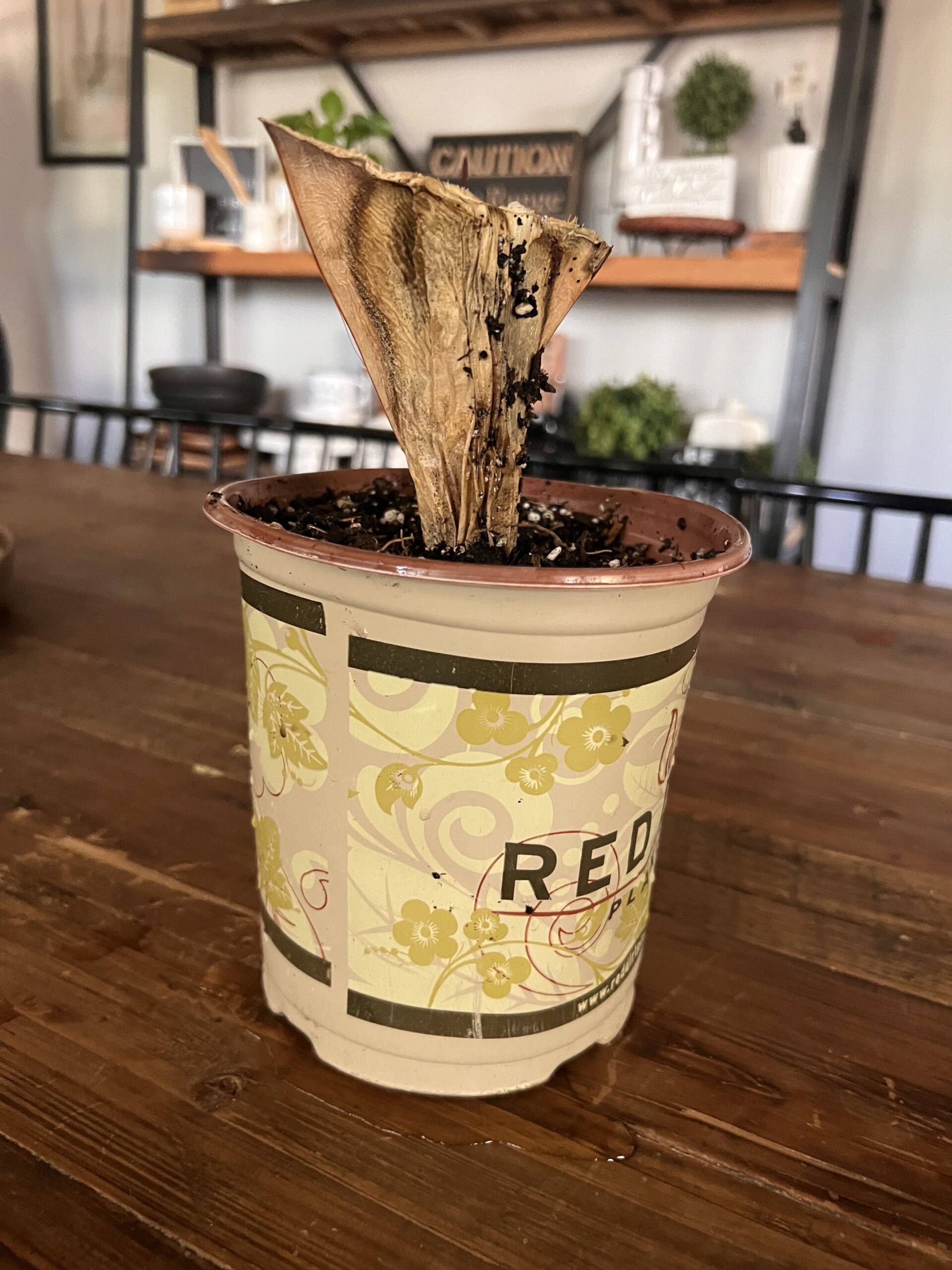
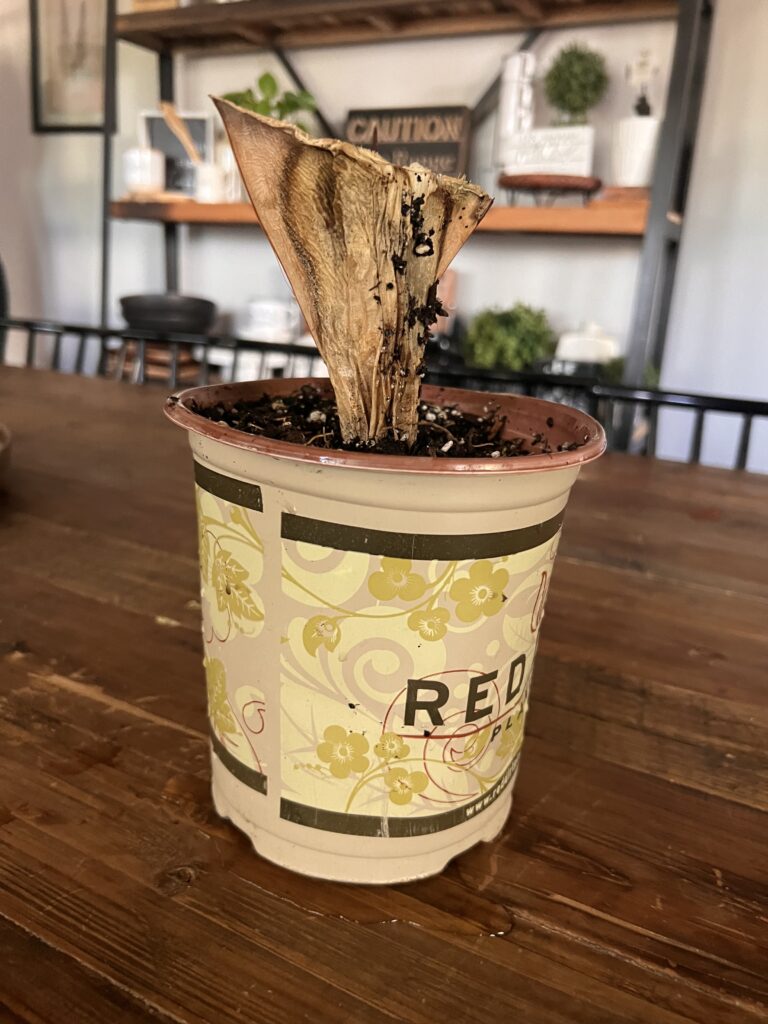
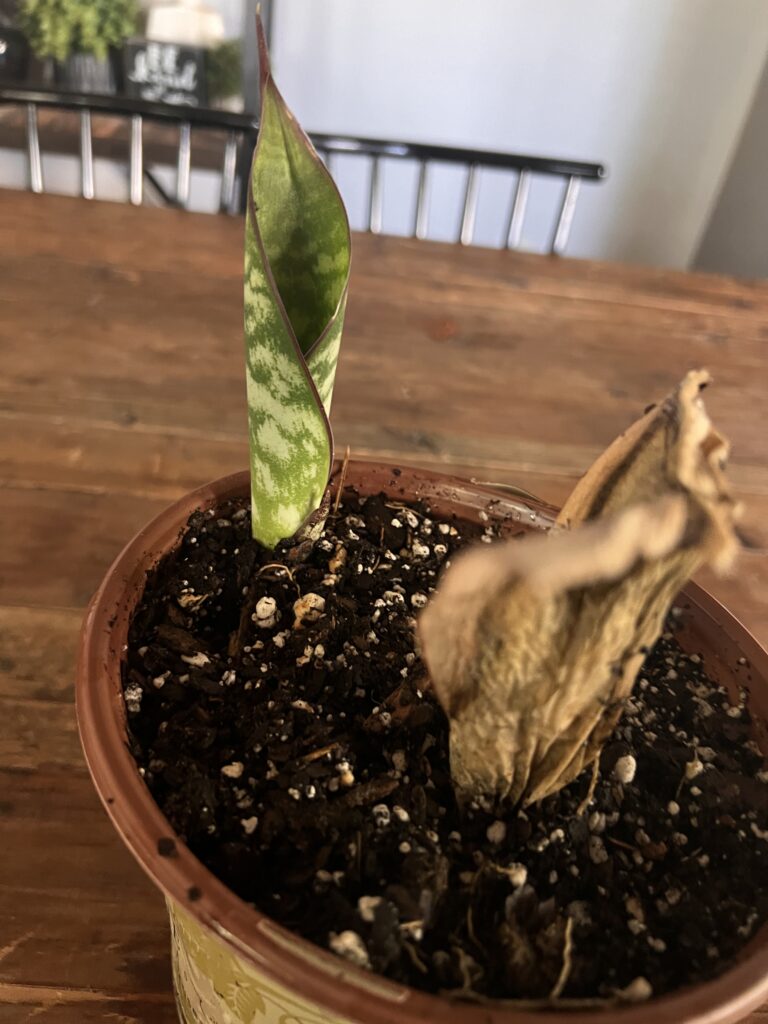
    And that’s when I saw her—my welwitschia plant.

    She was gone.
    Brown, wilted, scorched.

    I’d paid $50 for her. Split her the year before. Watched both halves thrive.

    Curious what kind of plant I’m talking about? It’s called a Whalefin plant—officially known as Dracaena masoniana.
    You can read more about it on Wikipedia, or check out a visual example from Costa Farms.

    In January I noticed the fireplace had scorched her in some spots, so I cut off the parts that were dead, and left what I thought would survive and regrow. I had done this before and it worked.

    But in April, I realized, it did not work this time.

    And that was it. The last Jenga block.
    I walked over, grabbed her by the stem with my bare hand, yanked her from the pot, and threw her across the yard.

    I wasn’t just mad at God. I was done.
    “So you’re taking my dad and my plant too?”

    I know how ridiculous that sounds.
    But on days like that, everything feels like betrayal.


    But then, in the middle of my tantrum…
    I saw it.

    A baby shoot.
    Green.
    Alive.
    Growing quietly behind what I thought had died.

    I froze.
    Because I realized—God had been working beneath the soil this whole time.

    Even when it looked hopeless.
    Even when it looked dead.
    Even when I was yelling at the sky.

    That new shoot?
    It didn’t just appear that day.
    It had been growing in the dark for months—while I was doubting, quitting, giving up.

    And that’s when I surrendered.
    Not in shame. In awe.

    I obviously ran back in the yard to grab the dead plant so I could show Robert what I was hearing from God. It was a moment of reckoning.


    A month later, my dad’s next scan showed no evidence of disease.
    The doctor didn’t believe it.
    Said it was probably just “no new tumors.”

    But three months after that, a second scan confirmed: my dad was cancer free.

    The radiologist confirmed it with a call.

    Right around the time that baby shoot showed up in my garden,
    he was already healing.
    And I hadn’t even known.


    I’m not saying I have it all figured out.
    You don’t pull that far away from God without a long walk back.

    But here’s what I am claiming:

    • That God shows up even if you don’t.
    • That sometimes your eyes lie.
    • That faith is not always felt first—but it’s never wasted.

    They say “believe what you see and only half of what you hear.”

    But now?
    I believe none of what I hear, only half of what I see—
    and all of what I know about God’s mercies.

  • When the Apology Never Comes: The Unspoken Apology

    When the Apology Never Comes: The Unspoken Apology

    Category: Unwritten & Understood

    The unspoken apology…
    This is for the ones still waiting.
    For the ones who never got the words they deserved.
    For the ones learning that silence is its own kind of betrayal.

    You don’t have to carry the weight of someone else’s unspoken apology.

    When people hurt us, it’s natural to want peace. To find our way to forgiveness. But it’s hard to get there when the person who caused the pain never even admits they caused it. No apology. No ownership. Just… avoidance.

    It can leave you feeling untethered. How do you heal without a bridge?

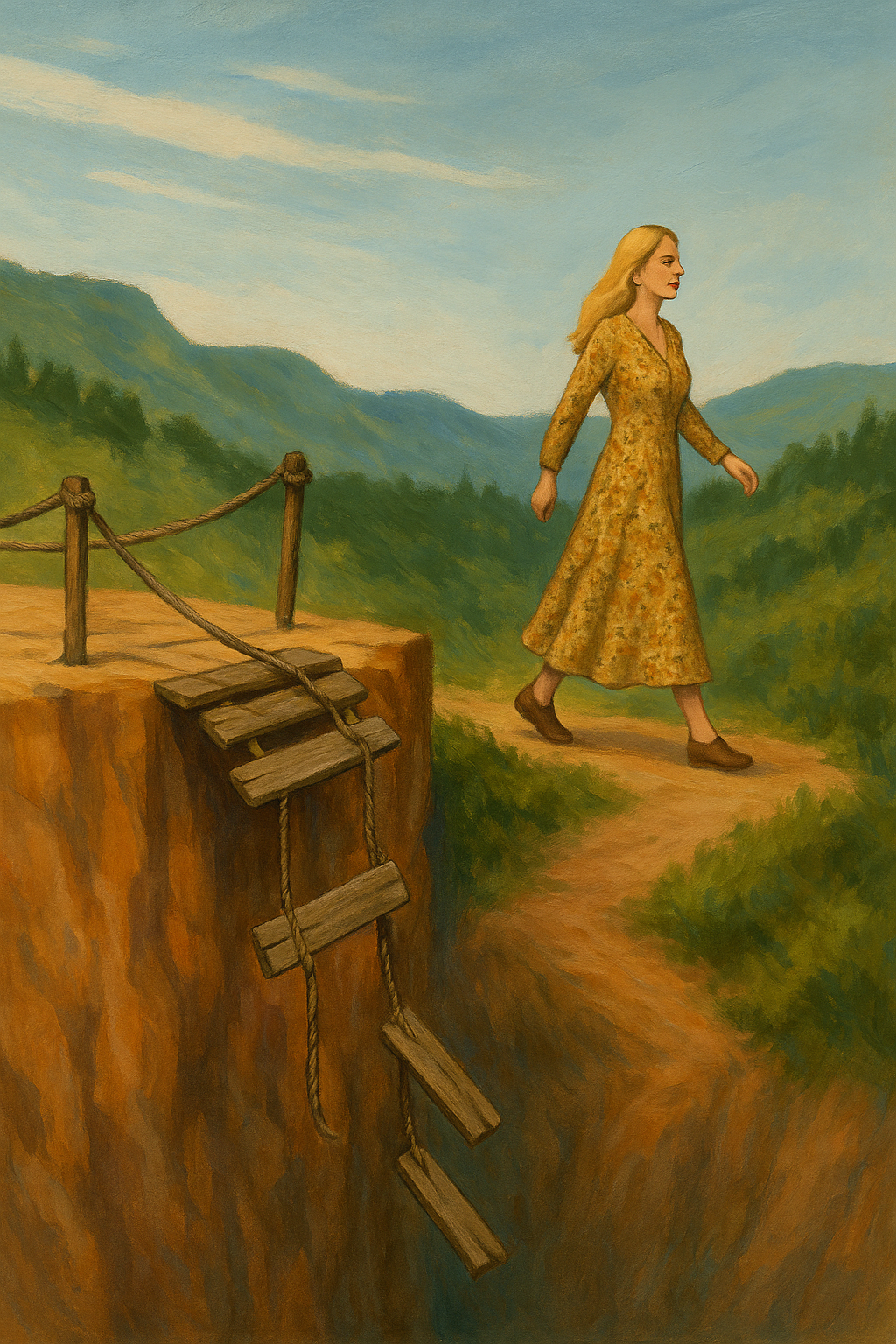
    Because that’s what an apology is. It’s not just the right thing to do—it’s the bridge. The crossing point between pain and reconciliation. It doesn’t even require guilt or agreement. It simply requires recognition.

    Without it, there’s no crossing. No repair. Just two people standing on opposite shores, and one of them pretending the water doesn’t exist.

    And that’s where it stings. When someone won’t apologize, they aren’t just avoiding responsibility—They’re declaring, in one form or another, that your hurt isn’t worth the effort.

    It feels like rejection. Because it is a kind of rejection. Not of the event, but of you.

    But here’s what I want you to know: It’s not a reflection of your worth. It’s a reflection of their character.

    I’ve told my kids this for years. When they fight and resist saying sorry, I remind them: An apology doesn’t mean you did something wrong on purpose. It doesn’t even mean what you did was wrong at all. It means someone was hurt. And if you care that they’re hurt—even just a little—you make it right. You say the words.

    That’s the same reason we instinctively say “I’m sorry” when we bump into someone at the grocery store. We didn’t mean to. It wasn’t malicious. But someone was affected, and we acknowledge it. That’s what decent people do. Not because they’re guilty, but because they’re good.

    So what does it say when someone can’t even do that? When they can’t offer a simple act of repair to someone they once cared about?

    It says they’re unequipped. It says they are still run by pride, or shame, or fear. It says they think being right is more important than being kind. And it says they likely struggle to offer that bridge to anyone, not just you.

    And if you need one more way to see it clearly: Think of the person behind you in traffic. You’re driving the speed limit, but someone’s on your bumper. You’re boxed in. You can’t go any faster. But they honk anyway. Throw the finger. Roll down their window to scream at you like you’re the problem.

    You know better. You know it’s not about you. They were already angry. Already impatient. Already spiraling.

    And that’s what it’s like when someone refuses to apologize. Their silence isn’t about your value. It’s about their own dysfunction.

    It’s easy to think, I guess I didn’t mean enough to them. And that might be partly true. But more often than not, nobody does. Because their inability to apologize isn’t selective. It’s systemic.

    So no, you didn’t get the bridge. But let that be the answer. And let it free you.

    If You Didn’t Know Them… Would You Stay?

    Here’s the thing: If you didn’t know this person—if there were no memories, no shared past, no emotional thread pulling you toward them—and someone described them to you like this:

    “They hurt people and walk away untouched.
    No apology. No regret. No effort to make it right.”

    Now imagine that person standing in a group photo. At a party. With their heart fully visible—stitched to their sleeve for all to see. Would you want to be in that picture?

    Would you want your name associated with someone who makes a habit of avoiding accountability? Someone who finds a way to disappear when repair is needed most?

    Probably not.

    Because that’s not who you are.

    If you’re still reading this, chances are you’re the kind of person who says “I’m sorry” even when it’s hard. You’re the kind who feels it deep when you’ve hurt someone—intentional or not. You want to make it right. That’s your reflex. That’s your nature.

    So no—you don’t understand people who don’t. And that’s a good thing. That means you’re not them.

    You’ve been grieving the absence of a bridge, but maybe now you can be grateful you’re not the kind of person who destroys one.

    That clarity? That’s your release.

    That’s your self-worth giving your heart permission to resign.

    You’re not the villain here. You’re not even the one who needs fixing.

    You’re just the one who finally sees it for what it is. And you’re allowed to walk away— grateful that your name isn’t tied to theirs anymore.

    You deserve to be in a better picture.

  • Quiet Roar #1

    June 4, 2025|Quiet Roars

     “You don’t have to name paper cuts. They tell on themselves. Not all wounds are secrets”

    Why it roars:  Some pain leaks without permission. No need for a spotlight when the damage glistens in the quiet.